Tips to Maximise Your Air Source Heat Pump Efficiency
Maximise your air source heat pump efficiency with practical tips to lower energy bills and maintain optimal performance.

Why you can trust our content
We know air source heat pumps can be confusing, so we base our advice on trusted sources:


At a glance
Air source heat pumps (ASHPs) are an energy-efficient, eco-friendly way to heat your home. However, like all heating systems, their performance can be optimised with the right practices. Here are practical tips for getting the most from your ASHP:
1. Ensure Proper Installation
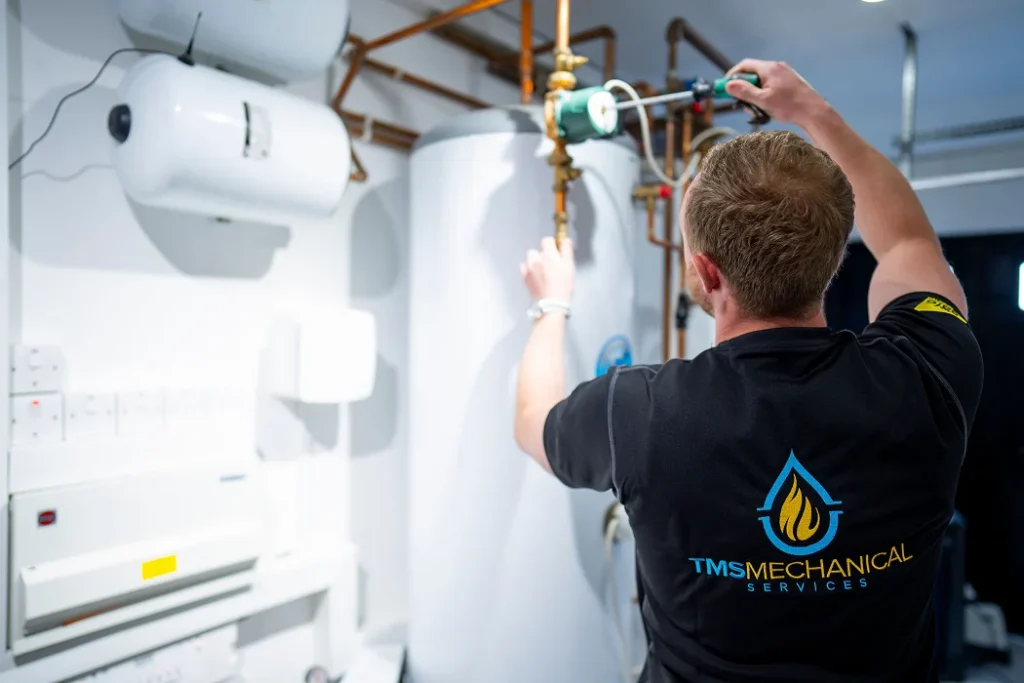
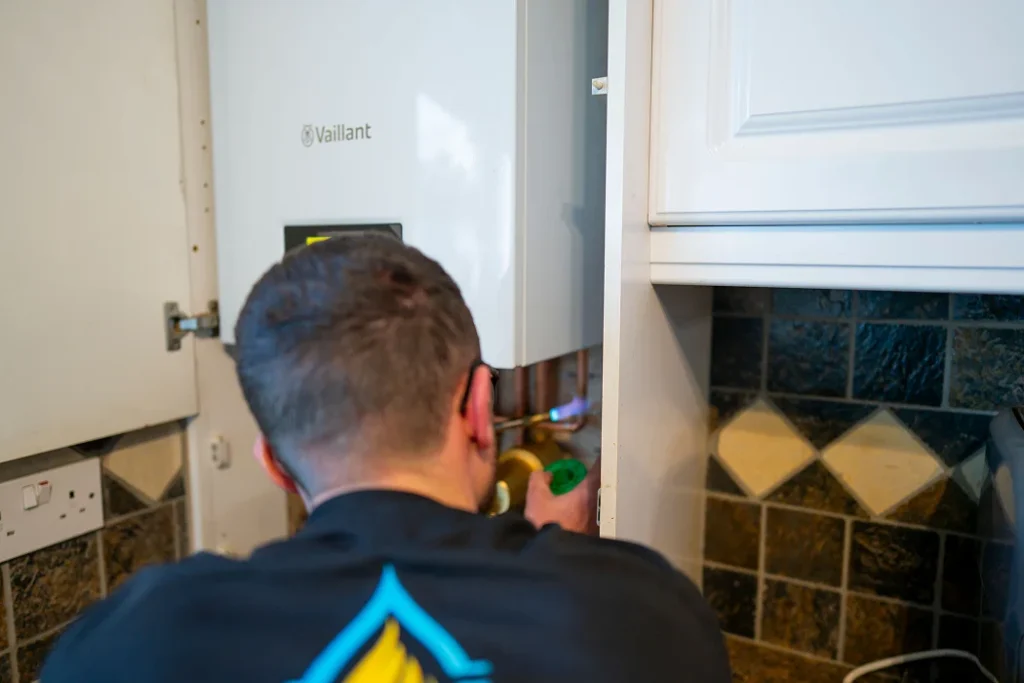
Efficiency starts with installation. A professional installer will size your system correctly, position the outdoor unit with enough airflow, and ensure the refrigerant and controls are optimised.
2. Regular Maintenance
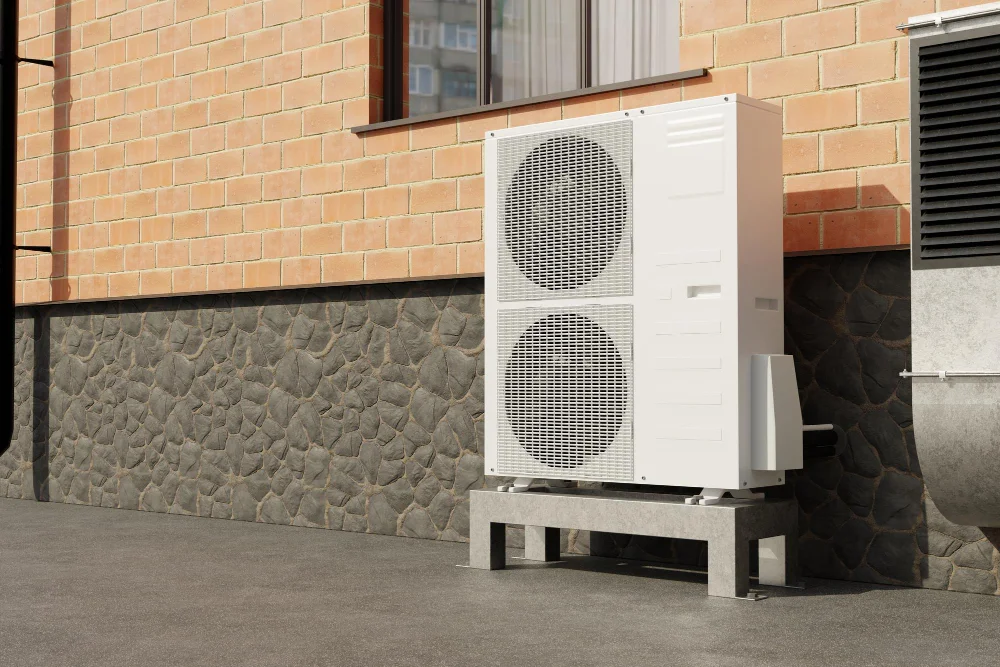
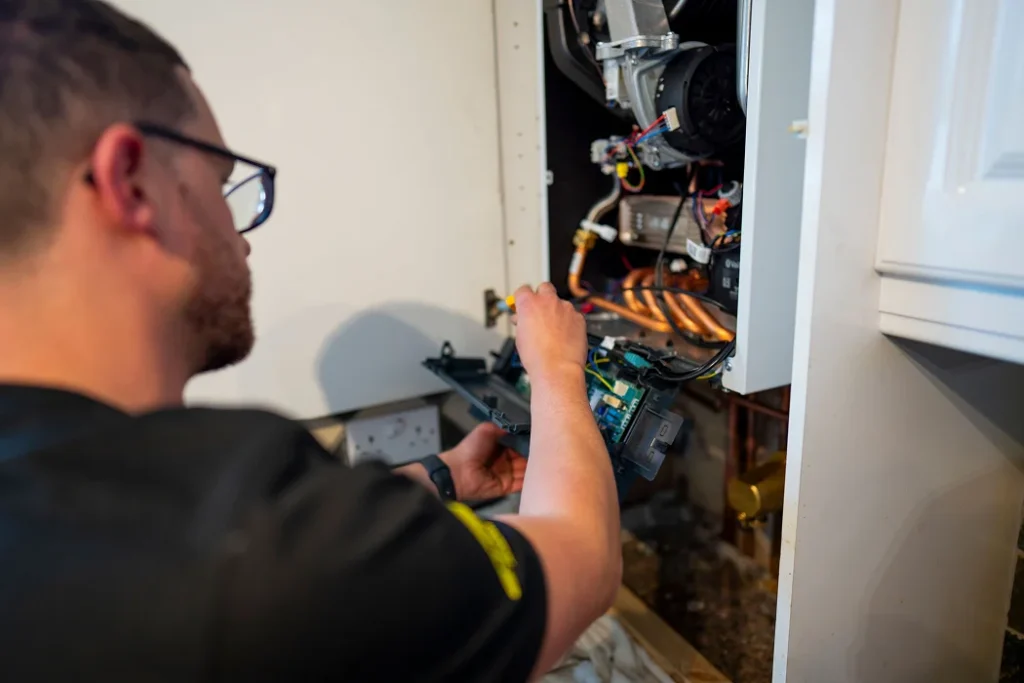
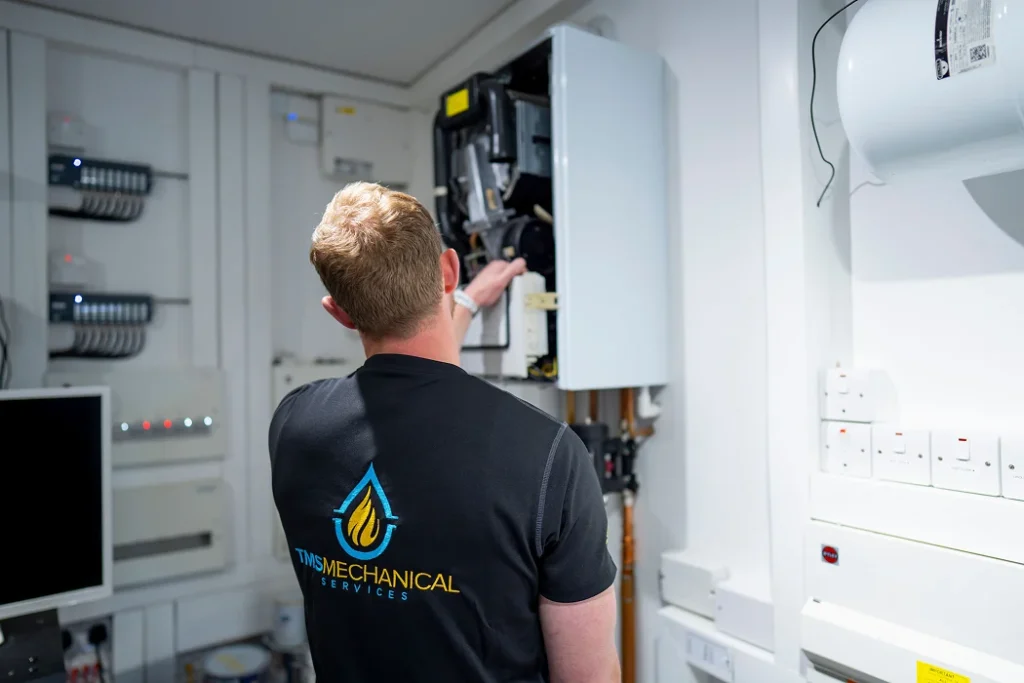
Schedule an annual service to check the compressor, fan, and refrigerant levels. Clean filters, remove debris around the outdoor unit, and inspect for leaks to keep your ASHP running efficiently.
3. Upgrade Your Heating System
Low-temperature heating works best with ASHPs. Consider larger radiators or underfloor heating to improve heat transfer and comfort.
4. Improve Home Insulation
Walls, lofts, floors, and double glazing minimise heat loss, reducing the workload on your ASHP and keeping your energy bills lower.
Which option best describes your home?
Bungalow
Semi-Detached
Detached
Flat
Terraced
It just takes 60 seconds
And then you can book a free consultation
5. Use Smart Controls
Smart or programmable thermostats allow you to schedule heating efficiently, ensuring your home is warm when needed and reducing wasted energy.
6. Mind the Outdoor Unit
Keep the outdoor unit clear of plants, debris, snow, or ice. Good airflow is essential for the system to extract heat efficiently.
7. Monitor Performance
Some ASHPs come with monitoring apps. Track energy use, temperature, and performance to identify inefficiencies early.
By following these tips, you can enjoy lower energy bills, a warmer home, and a system that lasts longer, all while reducing your environmental impact.
Related articles


Which option best describes your home?
Bungalow
Semi-Detached
Detached
Flat
Terraced
At a glance
Air source heat pumps (ASHPs) are an energy-efficient, eco-friendly way to heat your home. However, like all heating systems, their performance can be optimised with the right practices. Here are practical tips for getting the most from your ASHP:
1. Ensure Proper Installation
Efficiency starts with installation. A professional installer will size your system correctly, position the outdoor unit with enough airflow, and ensure the refrigerant and controls are optimised.
2. Regular Maintenance
Schedule an annual service to check the compressor, fan, and refrigerant levels. Clean filters, remove debris around the outdoor unit, and inspect for leaks to keep your ASHP running efficiently.
3. Upgrade Your Heating System
Low-temperature heating works best with ASHPs. Consider larger radiators or underfloor heating to improve heat transfer and comfort.
4. Improve Home Insulation
Walls, lofts, floors, and double glazing minimise heat loss, reducing the workload on your ASHP and keeping your energy bills lower.
Which option best describes your home?
Bungalow
Semi-Detached
Detached
Flat
Terraced
It just takes 60 seconds
And then you can book a free consultation
5. Use Smart Controls
Smart or programmable thermostats allow you to schedule heating efficiently, ensuring your home is warm when needed and reducing wasted energy.
6. Mind the Outdoor Unit
Keep the outdoor unit clear of plants, debris, snow, or ice. Good airflow is essential for the system to extract heat efficiently.
7. Monitor Performance
Some ASHPs come with monitoring apps. Track energy use, temperature, and performance to identify inefficiencies early.
By following these tips, you can enjoy lower energy bills, a warmer home, and a system that lasts longer, all while reducing your environmental impact.