
New Combi Boiler Basildon: What Photos, Measurements and Details Help Your Installer?
Planning a new combi boiler in Basildon? Learn which photos, measurements and heating details can help your installer assess the job accurately.

Why you can trust our content
We understand that the boiler industry can be confusing, with plenty of outdated or misleading information. That’s why we rely only on trusted, proven sources to guide our advice and installations:

At a glance
Arranging a new combi boiler is often straightforward, but the quality of the information available before the appointment can make a noticeable difference. Photos, basic measurements and details about the existing heating system can help an installer understand the property before carrying out a full assessment.
This does not mean homeowners need to diagnose their own heating system. The purpose of gathering information is simply to give the installer a clearer starting point. A professional assessment is still needed before confirming the suitability of a replacement boiler, particularly where pipework, flue arrangements, controls or hot water requirements are involved.
If you are considering a new combi boiler basildon homeowners can prepare for the quotation or survey by collecting a few practical details in advance.
TMS Mechanical Services can discuss your requirements and advise on the information that may be useful before arranging an installation assessment.
What photos should you take before contacting an installer?
Good photographs can provide useful context, particularly when the installer cannot immediately inspect the property in person.
Try to take clear, well-lit photographs of:
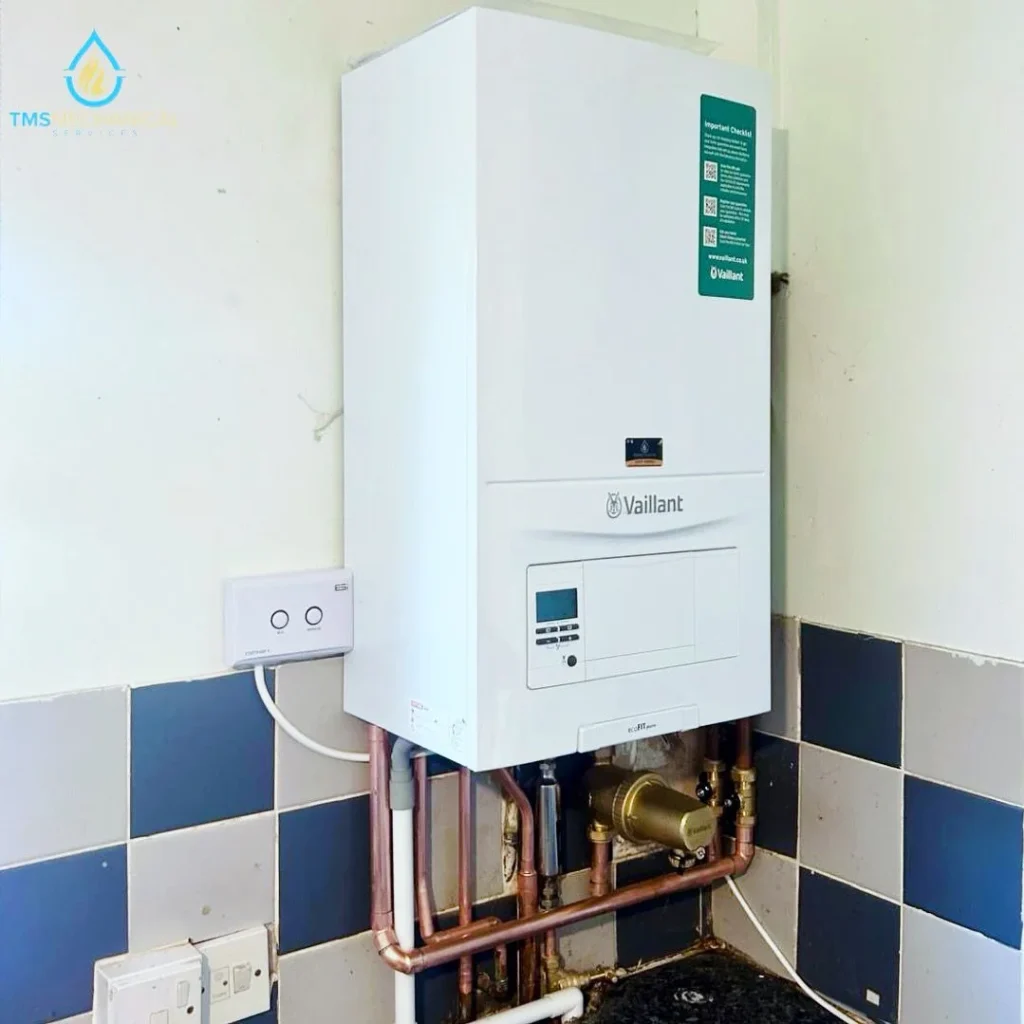
- The existing boiler from the front.
- The entire area around the boiler.
- Any visible pipework beneath or beside the boiler.
- The flue where it exits the property, if safely visible.
- The heating controls or thermostat.
- The hot water cylinder, if the property has one.
- The central heating system components, where accessible.
- The route to the boiler if access is unusual or restricted.
A photograph of the boiler’s data plate can also be useful. This may show the manufacturer, model and other information that helps identify the existing appliance.
Do not remove panels, covers or guards to take photographs. If a component is difficult to access, leave it for the qualified installer to inspect.
Why are boiler measurements useful?
Measurements can help establish whether a replacement appliance is likely to fit within the existing space, although they should not be treated as confirmation that a particular model will be suitable.
Useful measurements may include:
| Information | Why it can help |
|---|---|
| Boiler cupboard width | Indicates available installation space |
| Cupboard height | Helps establish vertical clearance |
| Cupboard depth | Shows how much room is available behind or around the appliance |
| Wall space | Helps assess alternative positioning |
| Door width | Indicates whether equipment can be brought into the property easily |
| Access route | Highlights stairs, narrow passages or other restrictions |
| Distance to nearby controls | Gives context for control changes |
Measure the space around the boiler rather than attempting to measure inside the appliance.
If the boiler is enclosed within cabinetry, photograph the cupboard with the doors open as well as closed. This gives the installer a better understanding of the available working area.
Which details about your current heating system matter?
The type of heating system already installed is one of the first things an installer will need to understand.
If you already have a combi boiler, useful information includes:
- Boiler manufacturer and model.
- Approximate age of the boiler.
- Any previous faults or repairs.
- Whether hot water has been reliable.
- Whether radiators heat consistently.
- Whether the boiler pressure regularly drops.
- Whether the system makes unusual noises.
- Which heating controls are currently installed.
If you are replacing a different type of boiler or heating arrangement with a combi system, more information may be needed. For example, a property with a separate hot water cylinder may require a different assessment from one that already uses a combi boiler.
The installer needs to consider the whole heating system rather than choosing a replacement appliance based only on the existing boiler’s size.
What should you tell an installer about hot water use?
Hot water demand is an important part of choosing a suitable combi boiler.
A household’s requirements can vary considerably. One person living in a small property may have very different hot water needs from a larger household where several people regularly shower in the morning.
Before arranging the assessment, consider:
- How many people normally live in the property.
- How many bathrooms or showers are used.
- Whether multiple hot water outlets are used at the same time.
- Whether the existing hot water performance is satisfactory.
- Whether there are periods of particularly high demand.
- Whether the household expects its hot water requirements to change.
This information gives the installer useful context when assessing the appropriate boiler output and system arrangement.
A boiler should not simply be selected because it has the highest output available. The specification needs to match the property’s heating and hot water requirements.
Can photos show everything an installer needs to know?
No. Photographs are helpful, but they cannot replace an installation assessment.
A photo may show where the boiler is located but cannot necessarily confirm:
- The condition and suitability of hidden pipework.
- Gas supply arrangements.
- Internal flue details.
- Ventilation requirements.
- Electrical connections.
- Condensate arrangements.
- The condition of other heating components.
- Exact clearances required for the proposed appliance.
This is why photographs should be viewed as preparation rather than a substitute for professional inspection.
For a combi boiler installation basildon project, an installer may need to inspect the property before confirming the final scope of work and any associated costs.
What should you check about the boiler location?
The existing boiler location may appear obvious, but it is worth explaining whether you want to keep it there or are considering a different position.
If the appliance is currently installed in a kitchen cupboard, utility room, airing cupboard or another enclosed space, take photographs showing the wider area rather than only the boiler itself.
Also consider whether there are practical reasons for changing the location. For example:
- Is the current boiler difficult to access?
- Does the location use valuable storage space?
- Are the controls convenient?
- Is the boiler positioned away from the main living areas?
- Would a different location require significant alterations?
Do not assume that a new boiler can automatically be installed wherever the old one was. The proposed appliance and property need to be assessed together.
What information can help with access planning?
Installation access is easy to overlook when discussing a boiler over the phone.
The installer may need to bring the new appliance and materials into the property and remove the old equipment. If the route involves a narrow hallway, several flights of stairs, restricted parking or another unusual arrangement, mention it beforehand.
A few photographs can help if access is difficult to explain verbally.
You can also tell the installer:
- Where parking is available.
- Whether there are steps to the entrance.
- Whether there is a particularly narrow doorway.
- Whether the boiler is located upstairs.
- Whether the working area is behind fixed furniture.
- Whether access requires a key or special arrangement.
This information does not determine whether the installation can proceed, but it can help the team prepare appropriately.
If you are unsure what information to provide, contact TMS Mechanical Services before your appointment. Sharing a few photographs and basic details can help the team understand the property before the assessment takes place.
What heating problems should you mention?
A replacement boiler is an opportunity to explain any problems you have experienced with the existing heating system.
Do not assume that an issue is unrelated simply because the boiler still operates.
Tell the installer if you have noticed:
- Radiators that remain cold at the top or bottom.
- Long waits for hot water.
- Fluctuating boiler pressure.
- Frequent error codes.
- Unusual banging, humming or clicking noises.
- Leaking components.
- Heating that switches off unexpectedly.
- Rooms that consistently feel colder than others.
- Controls that are difficult to use.
The installer can then investigate whether the issue is connected to the boiler or another part of the heating system.
This is particularly useful when replacing an older appliance. A new boiler may improve reliability, but it cannot automatically correct every problem caused by radiators, pipework, controls or other system components.
A typical Basildon property example
Consider a homeowner in a two-bedroom semi-detached property who is planning to replace an ageing combi boiler. The existing appliance is located in a kitchen cupboard, and the household has experienced inconsistent hot water and occasional pressure drops.
Before arranging an assessment, the homeowner photographs the boiler, its data plate, the cupboard and the visible pipework. They also take a measurement of the cupboard and note that the household regularly uses the shower and kitchen tap at the same time.
The installer can use this information as background before visiting the property. During the assessment, the engineer can then check the actual installation conditions and determine whether the proposed replacement is suitable.
The photographs have not replaced the survey. They have simply made the initial conversation more informed.
Does boiler age matter when discussing a replacement?
Yes, the age and history of the existing boiler can provide useful context.
If you know approximately when it was installed, tell the installer. If you have service records, previous repair invoices or manufacturer information, keep them available.
An older boiler may also have controls or system components that are no longer ideal for a replacement installation. This does not mean every older component needs to be replaced, but it gives the installer something to consider during the assessment.
Where documentation is available, it can be particularly useful to show previous work or recurring faults.
What information should you have ready for a quotation?
The more accurately the installer understands the proposed job, the easier it is to discuss what the quotation includes.
Before requesting a quotation, have the following information ready where possible:
- Existing boiler make and model.
- Boiler location.
- Approximate boiler age.
- Clear photographs of the installation.
- Basic measurements of the available space.
- Number of bathrooms and showers.
- Typical household hot water demand.
- Known heating or hot water problems.
- Preferred boiler location.
- Any access restrictions.
You do not need to know the technical answer to every question. If something is unknown, simply say so. The installer can establish the relevant details during the assessment.
For example, if you are unsure about the boiler output or flue arrangement, do not guess. A photograph of the information plate or the installation area may be more useful.
What should you confirm before booking installation?
Once the assessment has been completed and a quotation provided, check that you understand the scope of work.
Ask about:
- The proposed boiler model and specification.
- What is included in the installation.
- Whether controls are included.
- Whether old equipment will be removed.
- Any required changes to pipework.
- The expected installation timeframe.
- Warranty arrangements.
- What happens if additional work is identified.
A written quotation should make it easier to understand what has been allowed for.
If the property or installation requirements change after the quotation, ask whether this affects the price or scope before agreeing to additional work.
How can you make your appointment more productive?
The best preparation is simple and accurate.
Create a short note on your phone containing the boiler model, approximate age, heating problems and household hot water requirements. Add a few clear photographs and measurements if requested.
On the day of the assessment, make sure the installer can access the boiler and related heating equipment.
Avoid carrying out technical alterations yourself simply to prepare for the appointment. Gas appliances and associated systems should be assessed and worked on by appropriately qualified professionals.
For homeowners arranging a new combi boiler basildon, this approach provides useful information without creating unnecessary work or risk.
If you are ready to discuss replacing an existing boiler, speak to TMS Mechanical Services for practical guidance and a property-specific assessment before committing to the installation.
Related articles
What type of boiler do you currently have?

Combi Boiler
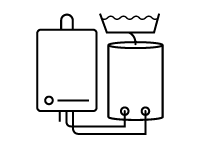
Regular Boiler
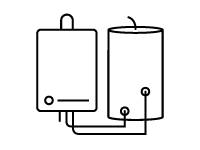
System Boiler

Back Boiler
At a glance
Arranging a new combi boiler is often straightforward, but the quality of the information available before the appointment can make a noticeable difference. Photos, basic measurements and details about the existing heating system can help an installer understand the property before carrying out a full assessment.
This does not mean homeowners need to diagnose their own heating system. The purpose of gathering information is simply to give the installer a clearer starting point. A professional assessment is still needed before confirming the suitability of a replacement boiler, particularly where pipework, flue arrangements, controls or hot water requirements are involved.
If you are considering a new combi boiler basildon homeowners can prepare for the quotation or survey by collecting a few practical details in advance.
TMS Mechanical Services can discuss your requirements and advise on the information that may be useful before arranging an installation assessment.
What photos should you take before contacting an installer?
Good photographs can provide useful context, particularly when the installer cannot immediately inspect the property in person.
Try to take clear, well-lit photographs of:
- The existing boiler from the front.
- The entire area around the boiler.
- Any visible pipework beneath or beside the boiler.
- The flue where it exits the property, if safely visible.
- The heating controls or thermostat.
- The hot water cylinder, if the property has one.
- The central heating system components, where accessible.
- The route to the boiler if access is unusual or restricted.
A photograph of the boiler’s data plate can also be useful. This may show the manufacturer, model and other information that helps identify the existing appliance.
Do not remove panels, covers or guards to take photographs. If a component is difficult to access, leave it for the qualified installer to inspect.
Why are boiler measurements useful?
Measurements can help establish whether a replacement appliance is likely to fit within the existing space, although they should not be treated as confirmation that a particular model will be suitable.
Useful measurements may include:
| Information | Why it can help |
|---|---|
| Boiler cupboard width | Indicates available installation space |
| Cupboard height | Helps establish vertical clearance |
| Cupboard depth | Shows how much room is available behind or around the appliance |
| Wall space | Helps assess alternative positioning |
| Door width | Indicates whether equipment can be brought into the property easily |
| Access route | Highlights stairs, narrow passages or other restrictions |
| Distance to nearby controls | Gives context for control changes |
Measure the space around the boiler rather than attempting to measure inside the appliance.
If the boiler is enclosed within cabinetry, photograph the cupboard with the doors open as well as closed. This gives the installer a better understanding of the available working area.
Which details about your current heating system matter?
The type of heating system already installed is one of the first things an installer will need to understand.
If you already have a combi boiler, useful information includes:
- Boiler manufacturer and model.
- Approximate age of the boiler.
- Any previous faults or repairs.
- Whether hot water has been reliable.
- Whether radiators heat consistently.
- Whether the boiler pressure regularly drops.
- Whether the system makes unusual noises.
- Which heating controls are currently installed.
If you are replacing a different type of boiler or heating arrangement with a combi system, more information may be needed. For example, a property with a separate hot water cylinder may require a different assessment from one that already uses a combi boiler.
The installer needs to consider the whole heating system rather than choosing a replacement appliance based only on the existing boiler’s size.
What should you tell an installer about hot water use?
Hot water demand is an important part of choosing a suitable combi boiler.
A household’s requirements can vary considerably. One person living in a small property may have very different hot water needs from a larger household where several people regularly shower in the morning.
Before arranging the assessment, consider:
- How many people normally live in the property.
- How many bathrooms or showers are used.
- Whether multiple hot water outlets are used at the same time.
- Whether the existing hot water performance is satisfactory.
- Whether there are periods of particularly high demand.
- Whether the household expects its hot water requirements to change.
This information gives the installer useful context when assessing the appropriate boiler output and system arrangement.
A boiler should not simply be selected because it has the highest output available. The specification needs to match the property’s heating and hot water requirements.
Can photos show everything an installer needs to know?
No. Photographs are helpful, but they cannot replace an installation assessment.
A photo may show where the boiler is located but cannot necessarily confirm:
- The condition and suitability of hidden pipework.
- Gas supply arrangements.
- Internal flue details.
- Ventilation requirements.
- Electrical connections.
- Condensate arrangements.
- The condition of other heating components.
- Exact clearances required for the proposed appliance.
This is why photographs should be viewed as preparation rather than a substitute for professional inspection.
For a combi boiler installation basildon project, an installer may need to inspect the property before confirming the final scope of work and any associated costs.
What should you check about the boiler location?
The existing boiler location may appear obvious, but it is worth explaining whether you want to keep it there or are considering a different position.
If the appliance is currently installed in a kitchen cupboard, utility room, airing cupboard or another enclosed space, take photographs showing the wider area rather than only the boiler itself.
Also consider whether there are practical reasons for changing the location. For example:
- Is the current boiler difficult to access?
- Does the location use valuable storage space?
- Are the controls convenient?
- Is the boiler positioned away from the main living areas?
- Would a different location require significant alterations?
Do not assume that a new boiler can automatically be installed wherever the old one was. The proposed appliance and property need to be assessed together.
What information can help with access planning?
Installation access is easy to overlook when discussing a boiler over the phone.
The installer may need to bring the new appliance and materials into the property and remove the old equipment. If the route involves a narrow hallway, several flights of stairs, restricted parking or another unusual arrangement, mention it beforehand.
A few photographs can help if access is difficult to explain verbally.
You can also tell the installer:
- Where parking is available.
- Whether there are steps to the entrance.
- Whether there is a particularly narrow doorway.
- Whether the boiler is located upstairs.
- Whether the working area is behind fixed furniture.
- Whether access requires a key or special arrangement.
This information does not determine whether the installation can proceed, but it can help the team prepare appropriately.
If you are unsure what information to provide, contact TMS Mechanical Services before your appointment. Sharing a few photographs and basic details can help the team understand the property before the assessment takes place.
What heating problems should you mention?
A replacement boiler is an opportunity to explain any problems you have experienced with the existing heating system.
Do not assume that an issue is unrelated simply because the boiler still operates.
Tell the installer if you have noticed:
- Radiators that remain cold at the top or bottom.
- Long waits for hot water.
- Fluctuating boiler pressure.
- Frequent error codes.
- Unusual banging, humming or clicking noises.
- Leaking components.
- Heating that switches off unexpectedly.
- Rooms that consistently feel colder than others.
- Controls that are difficult to use.
The installer can then investigate whether the issue is connected to the boiler or another part of the heating system.
This is particularly useful when replacing an older appliance. A new boiler may improve reliability, but it cannot automatically correct every problem caused by radiators, pipework, controls or other system components.
A typical Basildon property example
Consider a homeowner in a two-bedroom semi-detached property who is planning to replace an ageing combi boiler. The existing appliance is located in a kitchen cupboard, and the household has experienced inconsistent hot water and occasional pressure drops.
Before arranging an assessment, the homeowner photographs the boiler, its data plate, the cupboard and the visible pipework. They also take a measurement of the cupboard and note that the household regularly uses the shower and kitchen tap at the same time.
The installer can use this information as background before visiting the property. During the assessment, the engineer can then check the actual installation conditions and determine whether the proposed replacement is suitable.
The photographs have not replaced the survey. They have simply made the initial conversation more informed.
Does boiler age matter when discussing a replacement?
Yes, the age and history of the existing boiler can provide useful context.
If you know approximately when it was installed, tell the installer. If you have service records, previous repair invoices or manufacturer information, keep them available.
An older boiler may also have controls or system components that are no longer ideal for a replacement installation. This does not mean every older component needs to be replaced, but it gives the installer something to consider during the assessment.
Where documentation is available, it can be particularly useful to show previous work or recurring faults.
What information should you have ready for a quotation?
The more accurately the installer understands the proposed job, the easier it is to discuss what the quotation includes.
Before requesting a quotation, have the following information ready where possible:
- Existing boiler make and model.
- Boiler location.
- Approximate boiler age.
- Clear photographs of the installation.
- Basic measurements of the available space.
- Number of bathrooms and showers.
- Typical household hot water demand.
- Known heating or hot water problems.
- Preferred boiler location.
- Any access restrictions.
You do not need to know the technical answer to every question. If something is unknown, simply say so. The installer can establish the relevant details during the assessment.
For example, if you are unsure about the boiler output or flue arrangement, do not guess. A photograph of the information plate or the installation area may be more useful.
What should you confirm before booking installation?
Once the assessment has been completed and a quotation provided, check that you understand the scope of work.
Ask about:
- The proposed boiler model and specification.
- What is included in the installation.
- Whether controls are included.
- Whether old equipment will be removed.
- Any required changes to pipework.
- The expected installation timeframe.
- Warranty arrangements.
- What happens if additional work is identified.
A written quotation should make it easier to understand what has been allowed for.
If the property or installation requirements change after the quotation, ask whether this affects the price or scope before agreeing to additional work.
How can you make your appointment more productive?
The best preparation is simple and accurate.
Create a short note on your phone containing the boiler model, approximate age, heating problems and household hot water requirements. Add a few clear photographs and measurements if requested.
On the day of the assessment, make sure the installer can access the boiler and related heating equipment.
Avoid carrying out technical alterations yourself simply to prepare for the appointment. Gas appliances and associated systems should be assessed and worked on by appropriately qualified professionals.
For homeowners arranging a new combi boiler basildon, this approach provides useful information without creating unnecessary work or risk.
If you are ready to discuss replacing an existing boiler, speak to TMS Mechanical Services for practical guidance and a property-specific assessment before committing to the installation.
Related articles
What type of boiler do you currently have?
Combi Boiler
Regular Boiler
System Boiler
Back Boiler