
Gas Boiler Installation Basildon: What Does an Engineer Need to Check First?
Find out what engineers check before a gas boiler installation in Basildon, from boiler location and flue arrangements to pipework, controls and system requirements.

Why you can trust our content
We understand that the boiler industry can be confusing, with plenty of outdated or misleading information. That’s why we rely only on trusted, proven sources to guide our advice and installations:
At a glance
A new gas boiler may look like a straightforward replacement, particularly when the new appliance is going in the same position as the existing one. However, an installer needs to assess several parts of the heating system before confirming exactly how the work should be completed.
The boiler itself is only one part of an installation. The flue, gas supply, heating controls, condensate arrangements, pipework, electrical connections and accessibility can all affect the work involved.
For homeowners considering gas boiler installation basildon, understanding these checks can make the quotation process clearer and help avoid surprises when installation day arrives.
If you are considering replacing your boiler, contact TMS Mechanical to discuss the existing system and what needs to be assessed before installation. A property-specific assessment is the best way to understand the work involved.
Why does an engineer need to inspect the existing heating system?
A boiler replacement should not be treated as a simple appliance swap. The new boiler needs to work safely and effectively with the property’s existing heating system, or appropriate changes may need to be made.
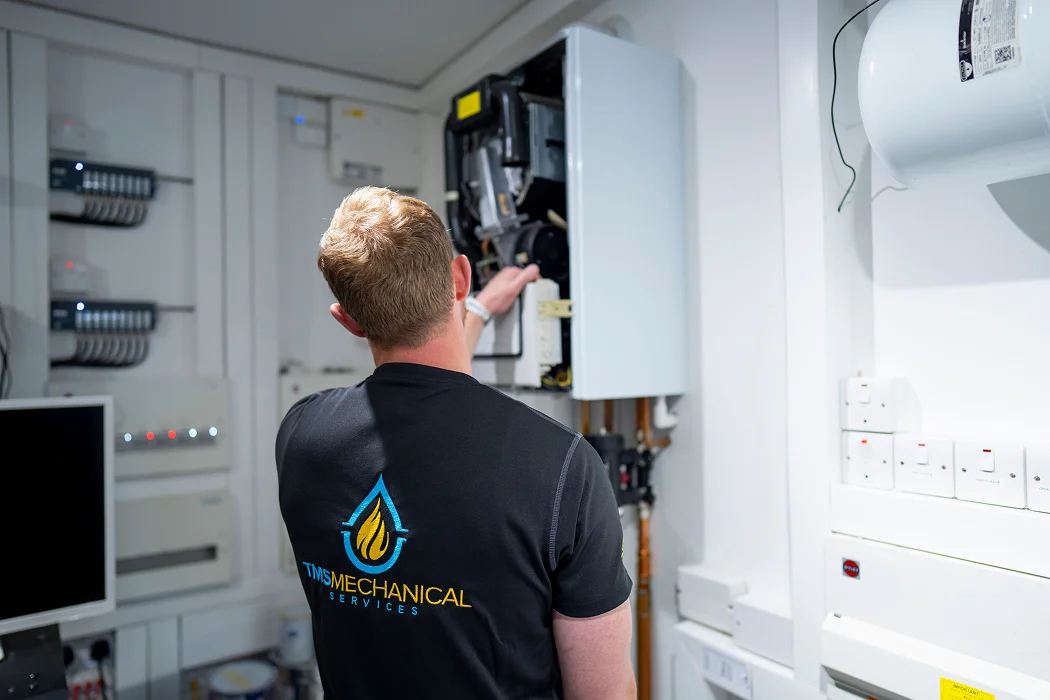
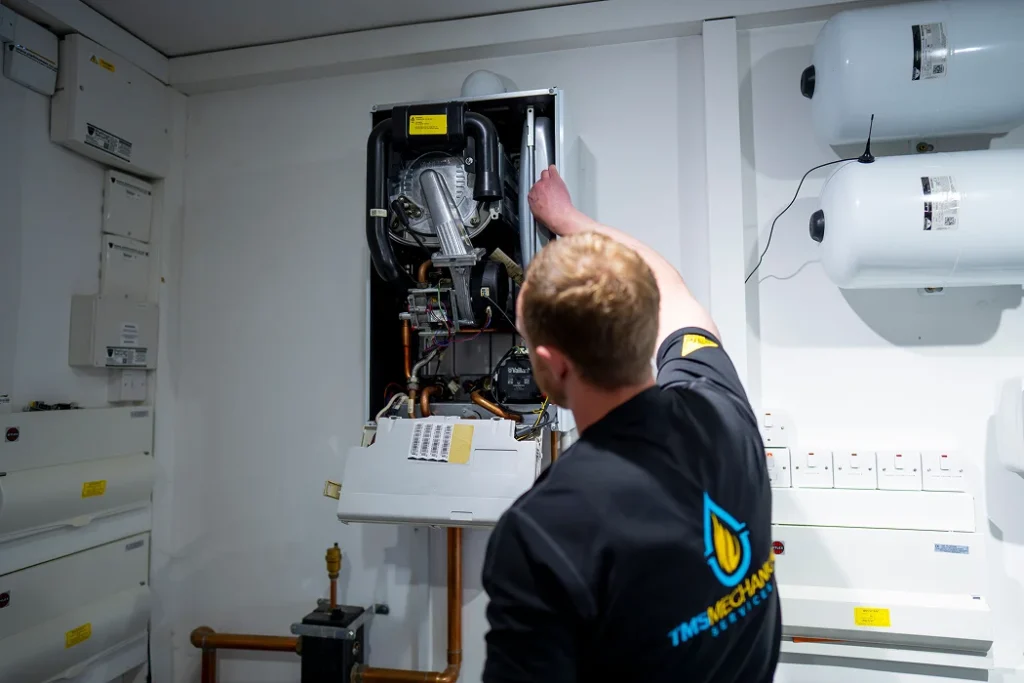
An engineer will consider the condition and arrangement of the current installation, including the boiler position, flue route, pipework and controls.
The assessment can also identify practical issues that may not be obvious to a homeowner. For example, an old boiler may have been installed in a way that requires changes before a modern replacement can be fitted correctly.
This initial inspection helps establish the scope of work and provides useful information for preparing an accurate quotation.
What does an engineer check before a gas boiler is installed?
The exact checks depend on the property and existing system, but an engineer will generally consider several key areas.
These can include:
- The existing boiler and its position
- The proposed replacement boiler
- Flue route and terminal position
- Gas supply and associated pipework
- Heating and hot water arrangements
- Condensate drainage
- Electrical supply and controls
- Existing radiators and heating circuit
- System components such as cylinders or tanks where applicable
- Access to the boiler and working area
- Any changes required for the proposed installation
The purpose is not simply to determine whether a boiler can physically fit. The installer needs to understand how the complete system will operate and whether any alterations are required.
Does the boiler location affect the installation?
Yes. The boiler’s position can influence both the practical installation process and the materials required.
A boiler installed in an accessible kitchen cupboard may be relatively straightforward to reach. A boiler located in a loft, tight cupboard or other restricted area can require more planning.
The engineer may consider:
- Available working space
- Access for installation and servicing
- Position of the flue
- Route for condensate drainage
- Existing pipework
- Electrical connections
- Whether the proposed boiler can be installed in the same location
If a homeowner wants to move the boiler, the scope can change significantly. Relocating an appliance may involve additional pipework, flue work, drainage and other installation considerations.
This is one reason why an gas boiler installation basildon quotation should be based on the individual property rather than a generic starting price.
What does the engineer check about the flue?
The flue is an essential part of a gas boiler installation because it carries combustion products safely away from the appliance.
An engineer needs to consider the existing flue arrangement and whether it is suitable for the proposed boiler. The route, termination position and surrounding area can all be relevant.
If the new boiler is replacing an existing appliance, it should not automatically be assumed that the existing flue arrangement can simply be reused.
Depending on the installation, the engineer may need to determine whether new flue components or changes to the route are required.
This is particularly important when the boiler is being moved or when the existing installation is older.
Why is the gas supply important?
The boiler needs an appropriate gas supply to operate correctly. During an assessment, the installer will consider the existing gas installation and whether it is suitable for the proposed appliance.
The boiler’s required input and the property’s existing gas supply arrangements can influence what work is needed.
If alterations are required, these should be identified as part of the installation planning wherever possible.
Homeowners do not need to calculate gas requirements themselves. This is part of the engineer’s assessment and should be addressed by a suitably qualified professional.
What about the condensate pipe?
Modern condensing boilers produce condensate as part of normal operation. This needs to be safely discharged through an appropriate drainage arrangement.
The engineer will therefore consider where the condensate can go and whether the existing arrangement is suitable.
Potential considerations include:
- Distance to a suitable drainage point
- Pipe routing
- Position of the existing condensate connection
- Protection where relevant
- Whether the installation requires a revised route
An existing boiler may have a condensate arrangement that is not ideal for a replacement, particularly if the new boiler is being moved.
Identifying this before the work begins can help prevent unnecessary disruption on installation day.
If you are unsure whether your existing boiler arrangement is suitable for a replacement, speak to TMS Mechanical. The team can assess the installation requirements and explain what may need to change.
How are heating controls considered?
The boiler is only one component of the heating system. Controls determine how the system is operated and can affect how effectively the heating is managed.
During an assessment, the engineer may look at the existing thermostat, programmer, timers and other controls.
The proposed boiler may also have specific control requirements or be better suited to an updated control arrangement.
Before accepting a quotation, it is worth checking whether the controls are included and what type will be installed.
A quotation that includes a new boiler but leaves the control arrangements unclear can make comparisons between installers more difficult.
What happens if the existing pipework needs changing?
Existing pipework can sometimes be reused, but this depends on its condition, arrangement and suitability for the proposed system.
An engineer may inspect visible pipework around the boiler and consider whether alterations are necessary.
Possible reasons for changes include:
- Connecting the new boiler correctly
- Improving the pipe arrangement
- Addressing unsuitable existing connections
- Accommodating a different boiler position
- Making room for new system components
Not every boiler replacement requires extensive pipework work. However, it is sensible for homeowners to understand that the condition of the existing system can affect the scope of installation.
What should be checked if the boiler is being replaced like-for-like?
A like-for-like replacement can be simpler than a full system change, but it still requires proper assessment.
Even if the new boiler is going in exactly where the old one was located, the installer should still consider the flue, gas supply, condensate, controls, connections and overall suitability.
The age of the existing installation can also matter. Previous work may have been carried out under different requirements, and components may need updating as part of the replacement.
A like-for-like position does not necessarily mean every existing component can remain unchanged.
How can homeowners prepare for the engineer’s assessment?
A little preparation can make the appointment more productive.
Before the engineer arrives, try to have clear access to the boiler and surrounding area. If the boiler is inside a cupboard, remove unnecessary items where practical.
It can also help to have information about:
- The age of the existing boiler, if known
- Any recent boiler faults
- Previous repairs
- Problems with heating or hot water
- The location of the thermostat and controls
- Any plans to move the boiler
- Changes planned for the property
If you have photographs of the installation, keep them available. Clear images can be useful when discussing the system before an appointment.
What could make an installation more complicated?
Every property is different, but certain circumstances can require additional planning.
For example, an engineer may discover that the boiler is positioned in a restricted space, the flue route needs changing, the condensate cannot follow the existing route, or the homeowner wants the new appliance moved.
Older heating systems may also have components that need attention before a modern boiler can be installed appropriately.
This does not automatically mean that the installation will become complicated or expensive. It simply means that the installer needs to identify the requirements before confirming the complete scope of work.
Why is choosing the right installer important?
Gas boiler work requires appropriate qualifications and should be carried out by a properly registered gas engineer.
When comparing a gas boiler installation company, homeowners should look beyond a headline price and consider whether the installer can clearly explain the proposed work.
Useful questions include:
| Question to ask | Why it matters |
|---|---|
| Has the existing boiler been assessed? | Helps establish the actual installation requirements |
| What boiler model is being proposed? | Allows meaningful comparison |
| Are controls included? | Prevents uncertainty about the complete system |
| Is flue work included? | Clarifies whether the existing arrangement is suitable |
| Are pipework alterations included? | Helps identify possible additional work |
| Is removal of the old boiler included? | Makes quotations easier to compare |
| What happens if additional work is discovered? | Clarifies how variations will be handled |
| Will the system be tested and commissioned? | Confirms the final stages of the installation |
A clear conversation before booking can be just as useful as comparing the figures on different quotations.
What should you expect from a professional boiler assessment?
A professional assessment should focus on the actual property and proposed heating system rather than relying entirely on assumptions.
The engineer should be able to explain the main installation considerations in straightforward language and identify anything that could affect the work.
For homeowners researching gas boiler installation basildon, this process can provide useful confidence because it establishes what the installation is expected to involve before the work begins.
It also gives the homeowner an opportunity to raise questions about boiler location, controls, heating performance and any planned changes to the property.
A typical Basildon boiler replacement scenario
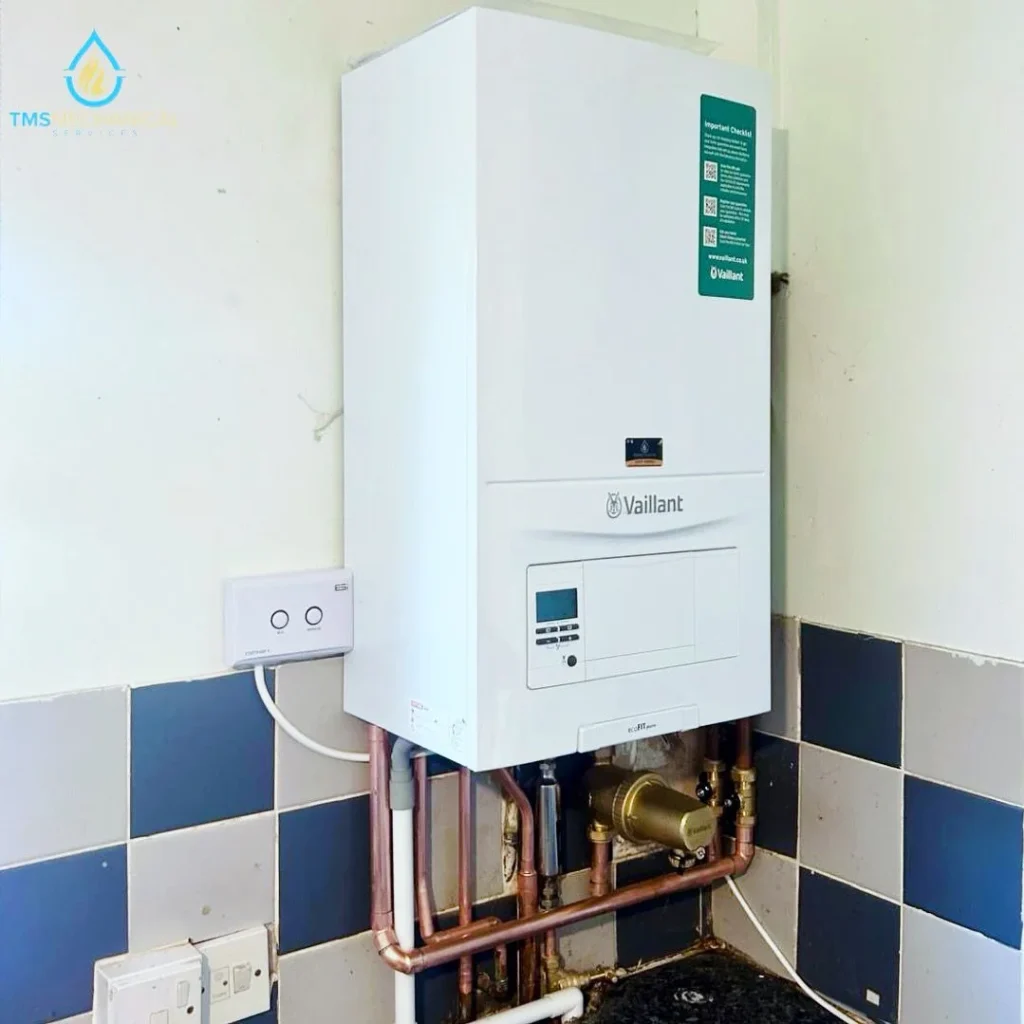
Consider a homeowner with an older combi boiler installed inside a kitchen cupboard. The replacement boiler is intended to remain in the same location.
At first glance, the job appears simple. However, during the assessment, the engineer checks the flue arrangement, visible pipework, condensate route, controls and access around the appliance. The homeowner also explains that the thermostat has been unreliable.
The assessment identifies that the replacement boiler can remain in the existing position, while the controls will need to be considered as part of the new installation. Discussing these points before the work starts means the homeowner has a clearer understanding of what the project includes.
This type of assessment demonstrates why installation planning matters even when the new boiler appears to be replacing the old one on a like-for-like basis.
When should you ask questions about the installation?
Ideally, questions should be raised before the quotation is accepted.
Ask about anything that could affect the scope, particularly if you are considering moving the boiler, changing the heating controls or addressing an existing heating problem at the same time.
If something is unclear, it is better to discuss it before installation day rather than assume it is included.
For homeowners arranging gas boiler installation basildon, TMS Mechanical can discuss the proposed work and explain the considerations that apply to the individual property. Contact the team to arrange tailored advice or request a quotation.
Related articles
What type of boiler do you currently have?

Combi Boiler
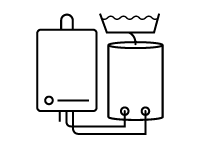
Regular Boiler
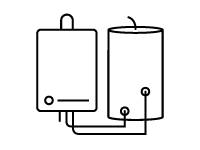
System Boiler

Back Boiler
At a glance
A new gas boiler may look like a straightforward replacement, particularly when the new appliance is going in the same position as the existing one. However, an installer needs to assess several parts of the heating system before confirming exactly how the work should be completed.
The boiler itself is only one part of an installation. The flue, gas supply, heating controls, condensate arrangements, pipework, electrical connections and accessibility can all affect the work involved.
For homeowners considering gas boiler installation basildon, understanding these checks can make the quotation process clearer and help avoid surprises when installation day arrives.
If you are considering replacing your boiler, contact TMS Mechanical to discuss the existing system and what needs to be assessed before installation. A property-specific assessment is the best way to understand the work involved.
Why does an engineer need to inspect the existing heating system?
A boiler replacement should not be treated as a simple appliance swap. The new boiler needs to work safely and effectively with the property’s existing heating system, or appropriate changes may need to be made.
An engineer will consider the condition and arrangement of the current installation, including the boiler position, flue route, pipework and controls.
The assessment can also identify practical issues that may not be obvious to a homeowner. For example, an old boiler may have been installed in a way that requires changes before a modern replacement can be fitted correctly.
This initial inspection helps establish the scope of work and provides useful information for preparing an accurate quotation.
What does an engineer check before a gas boiler is installed?
The exact checks depend on the property and existing system, but an engineer will generally consider several key areas.
These can include:
- The existing boiler and its position
- The proposed replacement boiler
- Flue route and terminal position
- Gas supply and associated pipework
- Heating and hot water arrangements
- Condensate drainage
- Electrical supply and controls
- Existing radiators and heating circuit
- System components such as cylinders or tanks where applicable
- Access to the boiler and working area
- Any changes required for the proposed installation
The purpose is not simply to determine whether a boiler can physically fit. The installer needs to understand how the complete system will operate and whether any alterations are required.
Does the boiler location affect the installation?
Yes. The boiler’s position can influence both the practical installation process and the materials required.
A boiler installed in an accessible kitchen cupboard may be relatively straightforward to reach. A boiler located in a loft, tight cupboard or other restricted area can require more planning.
The engineer may consider:
- Available working space
- Access for installation and servicing
- Position of the flue
- Route for condensate drainage
- Existing pipework
- Electrical connections
- Whether the proposed boiler can be installed in the same location
If a homeowner wants to move the boiler, the scope can change significantly. Relocating an appliance may involve additional pipework, flue work, drainage and other installation considerations.
This is one reason why an gas boiler installation basildon quotation should be based on the individual property rather than a generic starting price.
What does the engineer check about the flue?
The flue is an essential part of a gas boiler installation because it carries combustion products safely away from the appliance.
An engineer needs to consider the existing flue arrangement and whether it is suitable for the proposed boiler. The route, termination position and surrounding area can all be relevant.
If the new boiler is replacing an existing appliance, it should not automatically be assumed that the existing flue arrangement can simply be reused.
Depending on the installation, the engineer may need to determine whether new flue components or changes to the route are required.
This is particularly important when the boiler is being moved or when the existing installation is older.
Why is the gas supply important?
The boiler needs an appropriate gas supply to operate correctly. During an assessment, the installer will consider the existing gas installation and whether it is suitable for the proposed appliance.
The boiler’s required input and the property’s existing gas supply arrangements can influence what work is needed.
If alterations are required, these should be identified as part of the installation planning wherever possible.
Homeowners do not need to calculate gas requirements themselves. This is part of the engineer’s assessment and should be addressed by a suitably qualified professional.
What about the condensate pipe?
Modern condensing boilers produce condensate as part of normal operation. This needs to be safely discharged through an appropriate drainage arrangement.
The engineer will therefore consider where the condensate can go and whether the existing arrangement is suitable.
Potential considerations include:
- Distance to a suitable drainage point
- Pipe routing
- Position of the existing condensate connection
- Protection where relevant
- Whether the installation requires a revised route
An existing boiler may have a condensate arrangement that is not ideal for a replacement, particularly if the new boiler is being moved.
Identifying this before the work begins can help prevent unnecessary disruption on installation day.
If you are unsure whether your existing boiler arrangement is suitable for a replacement, speak to TMS Mechanical. The team can assess the installation requirements and explain what may need to change.
How are heating controls considered?
The boiler is only one component of the heating system. Controls determine how the system is operated and can affect how effectively the heating is managed.
During an assessment, the engineer may look at the existing thermostat, programmer, timers and other controls.
The proposed boiler may also have specific control requirements or be better suited to an updated control arrangement.
Before accepting a quotation, it is worth checking whether the controls are included and what type will be installed.
A quotation that includes a new boiler but leaves the control arrangements unclear can make comparisons between installers more difficult.
What happens if the existing pipework needs changing?
Existing pipework can sometimes be reused, but this depends on its condition, arrangement and suitability for the proposed system.
An engineer may inspect visible pipework around the boiler and consider whether alterations are necessary.
Possible reasons for changes include:
- Connecting the new boiler correctly
- Improving the pipe arrangement
- Addressing unsuitable existing connections
- Accommodating a different boiler position
- Making room for new system components
Not every boiler replacement requires extensive pipework work. However, it is sensible for homeowners to understand that the condition of the existing system can affect the scope of installation.
What should be checked if the boiler is being replaced like-for-like?
A like-for-like replacement can be simpler than a full system change, but it still requires proper assessment.
Even if the new boiler is going in exactly where the old one was located, the installer should still consider the flue, gas supply, condensate, controls, connections and overall suitability.
The age of the existing installation can also matter. Previous work may have been carried out under different requirements, and components may need updating as part of the replacement.
A like-for-like position does not necessarily mean every existing component can remain unchanged.
How can homeowners prepare for the engineer’s assessment?
A little preparation can make the appointment more productive.
Before the engineer arrives, try to have clear access to the boiler and surrounding area. If the boiler is inside a cupboard, remove unnecessary items where practical.
It can also help to have information about:
- The age of the existing boiler, if known
- Any recent boiler faults
- Previous repairs
- Problems with heating or hot water
- The location of the thermostat and controls
- Any plans to move the boiler
- Changes planned for the property
If you have photographs of the installation, keep them available. Clear images can be useful when discussing the system before an appointment.
What could make an installation more complicated?
Every property is different, but certain circumstances can require additional planning.
For example, an engineer may discover that the boiler is positioned in a restricted space, the flue route needs changing, the condensate cannot follow the existing route, or the homeowner wants the new appliance moved.
Older heating systems may also have components that need attention before a modern boiler can be installed appropriately.
This does not automatically mean that the installation will become complicated or expensive. It simply means that the installer needs to identify the requirements before confirming the complete scope of work.
Why is choosing the right installer important?
Gas boiler work requires appropriate qualifications and should be carried out by a properly registered gas engineer.
When comparing a gas boiler installation company, homeowners should look beyond a headline price and consider whether the installer can clearly explain the proposed work.
Useful questions include:
| Question to ask | Why it matters |
|---|---|
| Has the existing boiler been assessed? | Helps establish the actual installation requirements |
| What boiler model is being proposed? | Allows meaningful comparison |
| Are controls included? | Prevents uncertainty about the complete system |
| Is flue work included? | Clarifies whether the existing arrangement is suitable |
| Are pipework alterations included? | Helps identify possible additional work |
| Is removal of the old boiler included? | Makes quotations easier to compare |
| What happens if additional work is discovered? | Clarifies how variations will be handled |
| Will the system be tested and commissioned? | Confirms the final stages of the installation |
A clear conversation before booking can be just as useful as comparing the figures on different quotations.
What should you expect from a professional boiler assessment?
A professional assessment should focus on the actual property and proposed heating system rather than relying entirely on assumptions.
The engineer should be able to explain the main installation considerations in straightforward language and identify anything that could affect the work.
For homeowners researching gas boiler installation basildon, this process can provide useful confidence because it establishes what the installation is expected to involve before the work begins.
It also gives the homeowner an opportunity to raise questions about boiler location, controls, heating performance and any planned changes to the property.
A typical Basildon boiler replacement scenario
Consider a homeowner with an older combi boiler installed inside a kitchen cupboard. The replacement boiler is intended to remain in the same location.
At first glance, the job appears simple. However, during the assessment, the engineer checks the flue arrangement, visible pipework, condensate route, controls and access around the appliance. The homeowner also explains that the thermostat has been unreliable.
The assessment identifies that the replacement boiler can remain in the existing position, while the controls will need to be considered as part of the new installation. Discussing these points before the work starts means the homeowner has a clearer understanding of what the project includes.
This type of assessment demonstrates why installation planning matters even when the new boiler appears to be replacing the old one on a like-for-like basis.
When should you ask questions about the installation?
Ideally, questions should be raised before the quotation is accepted.
Ask about anything that could affect the scope, particularly if you are considering moving the boiler, changing the heating controls or addressing an existing heating problem at the same time.
If something is unclear, it is better to discuss it before installation day rather than assume it is included.
For homeowners arranging gas boiler installation basildon, TMS Mechanical can discuss the proposed work and explain the considerations that apply to the individual property. Contact the team to arrange tailored advice or request a quotation.
Related articles
What type of boiler do you currently have?
Combi Boiler
Regular Boiler
System Boiler
Back Boiler