
Gas Boiler Installation in Basildon: Safety, Timing and Home Preparation
Replacing a gas boiler is a major job, but careful planning can make the process much easier to manage. For many households, the main concerns are safety, how long the heating and hot water will be unavailable, and what needs to be done before an installer arrives. A properly planned gas boiler installation basildon project…

Why you can trust our content
We understand that the boiler industry can be confusing, with plenty of outdated or misleading information. That’s why we rely only on trusted, proven sources to guide our advice and installations:
At a glance
Replacing a gas boiler is a major job, but careful planning can make the process much easier to manage. For many households, the main concerns are safety, how long the heating and hot water will be unavailable, and what needs to be done before an installer arrives.
A properly planned gas boiler installation basildon project should start with an assessment of the property and existing heating system. This helps identify access requirements, boiler location, flue arrangements, pipework and any other factors that could affect the installation.
It also gives homeowners an opportunity to understand what will happen before work begins, rather than having to make decisions on the day.
If you are considering replacing your gas boiler, contact TMS Mechanical Services to discuss your existing system and the practical requirements for the proposed installation.
What should happen before a gas boiler is installed?
The first step should be a suitable assessment of the existing installation and the proposed replacement.
The installer needs to consider the boiler location, flue route, condensate arrangements, pipework, controls and access. They should also establish whether the replacement boiler is suitable for the property’s heating and hot water requirements.
A proper pre-installation assessment can identify potential complications early. For example, an older boiler may have connections or pipework that require modification rather than simply being disconnected and replaced.
The homeowner should also receive information about the planned work, expected disruption and any known additional requirements.
How can you prepare your home for installation day?
Preparation does not need to be complicated. The main objective is to provide the installer with safe and clear access to the boiler and relevant parts of the heating system.
Before work begins, consider:
- Clearing items from around the boiler
- Moving furniture that blocks access
- Removing fragile belongings from nearby surfaces
- Keeping children and pets away from the work area
- Making sure the route to the boiler is accessible
- Discussing any restricted access with the installer beforehand
- Planning around the temporary loss of heating and hot water
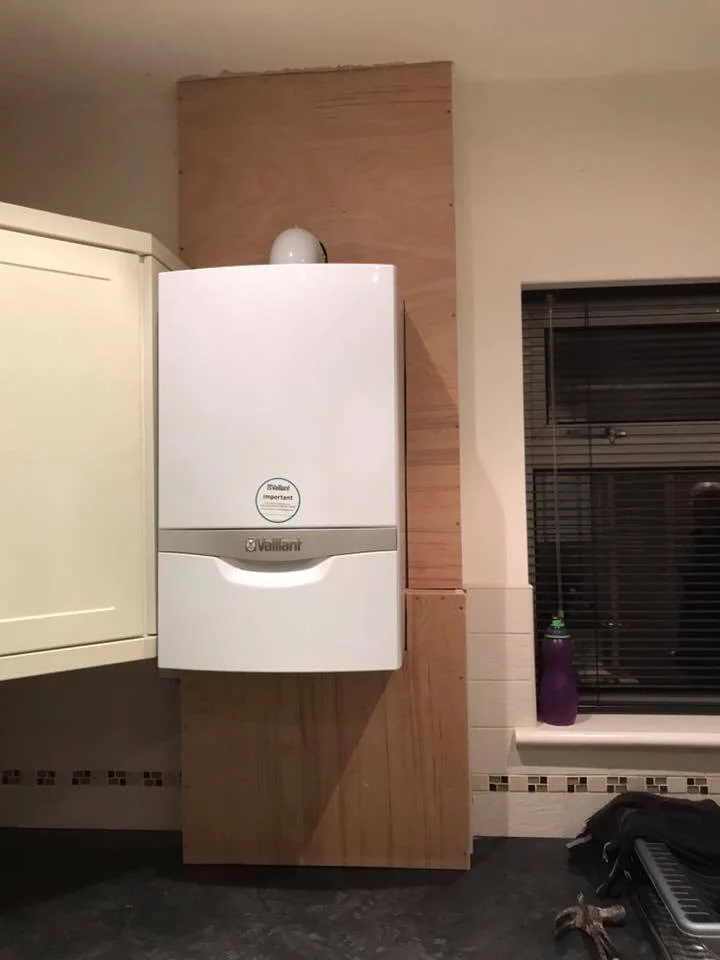
If the boiler is installed inside a kitchen cupboard, utility room or another enclosed area, clearing the surrounding space can make the work more straightforward.
A gas boiler installation basildon project can vary considerably from one property to another, so the installer should base the plan on the actual home rather than a generic assumption.
What safety checks are important during installation?
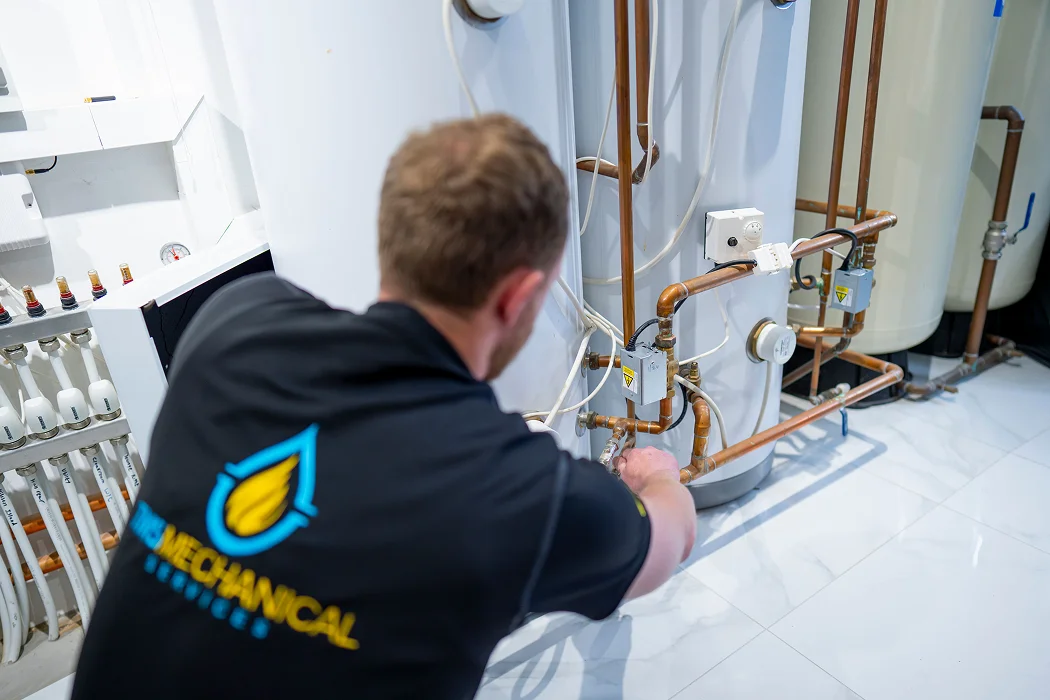
Gas appliances require appropriate installation, testing and commissioning. The work should be carried out by a suitably qualified professional who is authorised to work on gas appliances.
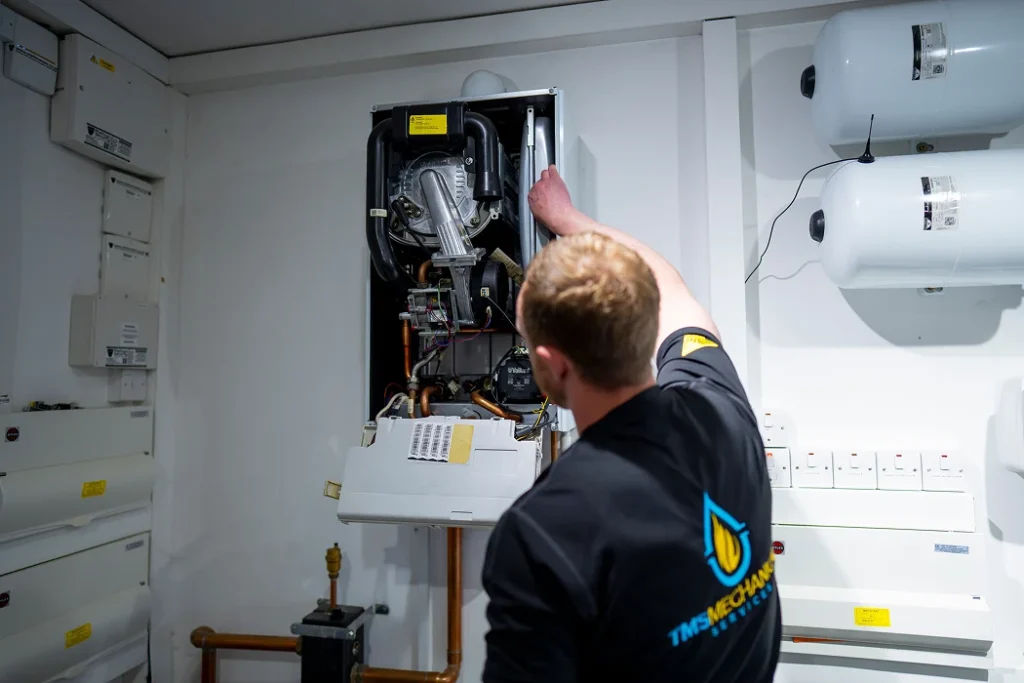
Safety considerations can include checking the appliance location, flue arrangements, gas connections, combustion performance and the overall operation of the boiler.
The installer should also ensure that the finished installation is properly commissioned and that the homeowner understands the basic operation of the appliance.
A reputable gas boiler installation company should be able to explain the relevant installation process and provide appropriate documentation when the work is completed.
Homeowners should never attempt to disconnect or reconnect gas appliances themselves. Gas work must be carried out by an appropriately qualified professional.
How long does gas boiler installation take?
There is no fixed duration for every installation. A straightforward replacement in the same location may be relatively uncomplicated, while relocating the boiler or changing the heating system can introduce additional work.
The following factors can affect the schedule:
| Installation factor | Potential impact |
| Same boiler position | Often reduces additional work |
| Boiler relocation | May require new pipework and flue arrangements |
| Existing pipework | May need modification or replacement |
| New controls | Can add installation and setup work |
| Difficult access | May increase preparation and handling time |
| Condensate route | May require changes depending on the boiler position |
| System changes | Can increase the overall installation scope |
These factors make a property-specific assessment more useful than relying on a standard installation time.
Before booking, ask how long the installer expects the work to take and when you should expect your heating and hot water to be restored.
Will heating and hot water be unavailable?
In most boiler replacements, the existing appliance needs to be switched off while it is removed and replaced. This means there will usually be a temporary interruption to heating and hot water.
The length of the interruption depends on the installation.
For a busy household, planning around this period can make the day much easier. If possible, complete essential showers and other hot water tasks beforehand. If you work from home, consider whether the noise and movement around the installation area could affect your working day.
A clear schedule from the installer can help you make sensible arrangements.
What type of boiler do you currently have?

Combi Boiler

Regular Boiler

System Boiler

Back Boiler
It just takes 60 seconds
And then you can book a free consultation
What happens if the installer finds a problem?
An installation can sometimes reveal an issue that was not obvious during the initial assessment.
For example, existing pipework may be in poor condition, a connection may need changing, or the proposed installation may require additional components.
The installer should explain the issue and discuss the implications before carrying out significant additional work.
This is one reason why clear quotations and communication matter. Homeowners should understand what was included in the original scope and what circumstances could result in additional costs.
A gas boiler installation company should not leave homeowners guessing about why extra work has become necessary.
TMS Mechanical Services can explain the expected installation requirements before work begins, helping you understand the scope of the project and plan accordingly.
What should you check about the boiler location?
The boiler location needs to be suitable for the appliance and the installation requirements.
Homeowners sometimes want a boiler moved because they are renovating a kitchen, creating storage space or changing the layout of a room. Relocation can be possible, but it may introduce additional work.
The installer may need to consider:
- Flue positioning
- Condensate drainage
- Pipework routes
- Access for installation and future servicing
- Appliance clearances
- The surrounding environment
- Connections to the heating and hot water system
A convenient location for the homeowner is not automatically the most practical location for the heating system. The installer should assess the proposed position before confirming the arrangement.
Why does commissioning matter after installation?
Installing the boiler is only part of the process. The appliance needs to be properly tested and commissioned before it is handed back to the homeowner.
Commissioning helps confirm that the boiler and associated system are operating as intended.
The homeowner should also be shown how to use the controls and understand basic operating information.
Before the installer leaves, check that:
- Heating is operating
- Hot water is working
- Controls have been explained
- The boiler is operating normally
- Relevant documentation has been provided
- Warranty information is clear
- You know who to contact if you have a question
A gas boiler installation basildon should finish with appropriate checks and a clear handover rather than simply the appliance being switched on.
A typical installation example
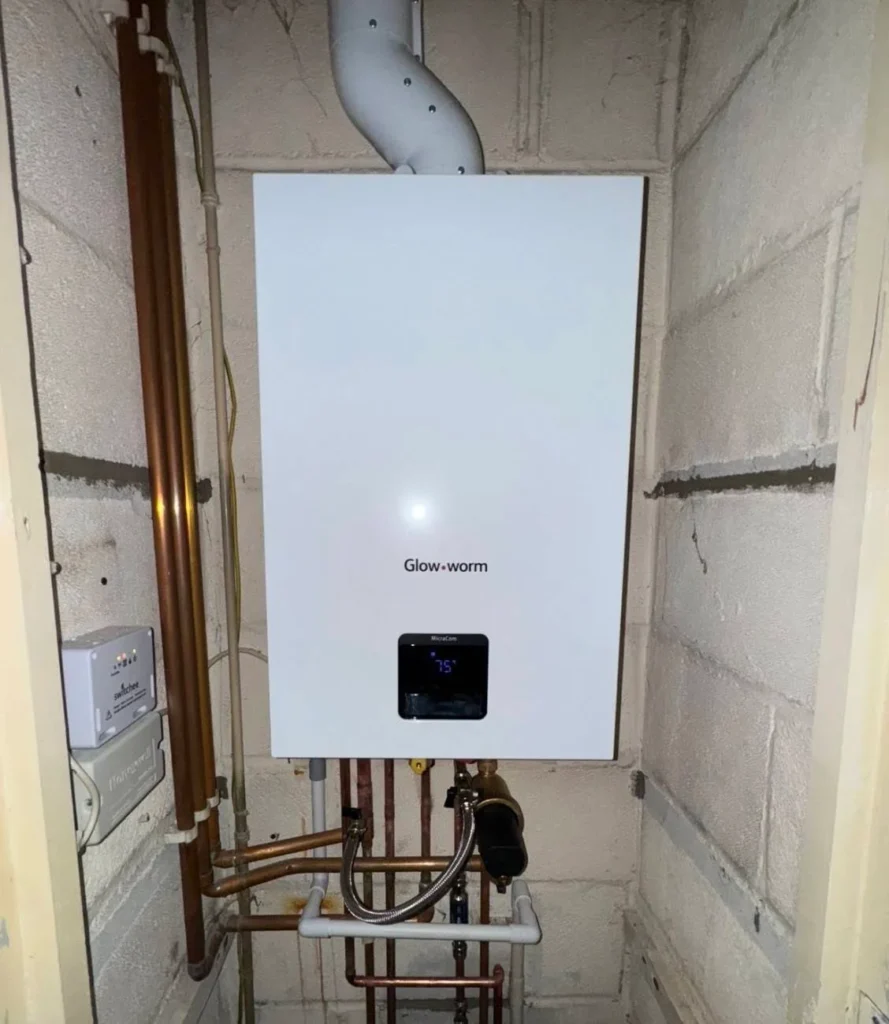
Consider a family living in a three-bedroom semi-detached property with an ageing gas boiler located in a kitchen cupboard. The boiler has become increasingly unreliable, but the household wants to avoid unnecessary changes to the kitchen.
Before the installation, the installer assesses the existing position and confirms that the replacement can remain in the same general location. The family clears the cupboard and surrounding work area and plans around the temporary loss of heating and hot water.
Because access, boiler position and installation requirements have been considered beforehand, the work can proceed with fewer avoidable interruptions. Once the boiler is installed and commissioned, the household receives guidance on the new controls and normal heating use can resume.
What should you ask a gas boiler installer before booking?
A few questions can help establish whether the installation has been properly considered.
Ask:
- Is the proposed boiler suitable for my property?
- Can it remain in the existing location?
- Will the flue arrangement need to change?
- Does the existing pipework require modification?
- Are heating controls included?
- How long is the installation expected to take?
- When will heating and hot water be unavailable?
- What happens if additional work is discovered?
- What testing and commissioning will be completed?
- What documentation will I receive?
These questions are useful whether you are comparing several installers or simply trying to understand the work before committing.
How can you reduce unnecessary disruption?
The best way to minimise disruption is to plan before installation day.
Give the installer accurate information about the boiler location and access. Clear the working area and discuss any household timing requirements in advance.
It is also worth making sure the quotation reflects the actual installation rather than assuming the job will be a basic replacement.
For households with busy schedules, these small steps can make the installation much easier to manage.
If you are planning a gas boiler replacement, speak to TMS Mechanical Services for practical guidance and a bespoke quote based on your home’s requirements.
Final Thoughts
A gas boiler replacement is much easier to manage when safety, access and timing are considered before installation day. The right preparation can reduce avoidable disruption and give homeowners a clearer understanding of what to expect.
The most important step is choosing an appropriately qualified installer who assesses the property, explains the work clearly and completes the necessary testing and commissioning.
TMS Mechanical Services can provide practical guidance based on your existing heating system and home. If you are considering an upgrade, discussing the installation requirements before booking can help make the process more predictable and straightforward.
Related articles
What type of boiler do you currently have?
Combi Boiler
Regular Boiler
System Boiler
Back Boiler
At a glance
Replacing a gas boiler is a major job, but careful planning can make the process much easier to manage. For many households, the main concerns are safety, how long the heating and hot water will be unavailable, and what needs to be done before an installer arrives.
A properly planned gas boiler installation basildon project should start with an assessment of the property and existing heating system. This helps identify access requirements, boiler location, flue arrangements, pipework and any other factors that could affect the installation.
It also gives homeowners an opportunity to understand what will happen before work begins, rather than having to make decisions on the day.
If you are considering replacing your gas boiler, contact TMS Mechanical Services to discuss your existing system and the practical requirements for the proposed installation.
What should happen before a gas boiler is installed?
The first step should be a suitable assessment of the existing installation and the proposed replacement.
The installer needs to consider the boiler location, flue route, condensate arrangements, pipework, controls and access. They should also establish whether the replacement boiler is suitable for the property’s heating and hot water requirements.
A proper pre-installation assessment can identify potential complications early. For example, an older boiler may have connections or pipework that require modification rather than simply being disconnected and replaced.
The homeowner should also receive information about the planned work, expected disruption and any known additional requirements.
How can you prepare your home for installation day?
Preparation does not need to be complicated. The main objective is to provide the installer with safe and clear access to the boiler and relevant parts of the heating system.
Before work begins, consider:
- Clearing items from around the boiler
- Moving furniture that blocks access
- Removing fragile belongings from nearby surfaces
- Keeping children and pets away from the work area
- Making sure the route to the boiler is accessible
- Discussing any restricted access with the installer beforehand
- Planning around the temporary loss of heating and hot water
If the boiler is installed inside a kitchen cupboard, utility room or another enclosed area, clearing the surrounding space can make the work more straightforward.
A gas boiler installation basildon project can vary considerably from one property to another, so the installer should base the plan on the actual home rather than a generic assumption.
What safety checks are important during installation?
Gas appliances require appropriate installation, testing and commissioning. The work should be carried out by a suitably qualified professional who is authorised to work on gas appliances.
Safety considerations can include checking the appliance location, flue arrangements, gas connections, combustion performance and the overall operation of the boiler.
The installer should also ensure that the finished installation is properly commissioned and that the homeowner understands the basic operation of the appliance.
A reputable gas boiler installation company should be able to explain the relevant installation process and provide appropriate documentation when the work is completed.
Homeowners should never attempt to disconnect or reconnect gas appliances themselves. Gas work must be carried out by an appropriately qualified professional.
How long does gas boiler installation take?
There is no fixed duration for every installation. A straightforward replacement in the same location may be relatively uncomplicated, while relocating the boiler or changing the heating system can introduce additional work.
The following factors can affect the schedule:
| Installation factor | Potential impact |
| Same boiler position | Often reduces additional work |
| Boiler relocation | May require new pipework and flue arrangements |
| Existing pipework | May need modification or replacement |
| New controls | Can add installation and setup work |
| Difficult access | May increase preparation and handling time |
| Condensate route | May require changes depending on the boiler position |
| System changes | Can increase the overall installation scope |
These factors make a property-specific assessment more useful than relying on a standard installation time.
Before booking, ask how long the installer expects the work to take and when you should expect your heating and hot water to be restored.
Will heating and hot water be unavailable?
In most boiler replacements, the existing appliance needs to be switched off while it is removed and replaced. This means there will usually be a temporary interruption to heating and hot water.
The length of the interruption depends on the installation.
For a busy household, planning around this period can make the day much easier. If possible, complete essential showers and other hot water tasks beforehand. If you work from home, consider whether the noise and movement around the installation area could affect your working day.
A clear schedule from the installer can help you make sensible arrangements.
What type of boiler do you currently have?
Combi Boiler
Regular Boiler
System Boiler
Back Boiler
It just takes 60 seconds
And then you can book a free consultation
What happens if the installer finds a problem?
An installation can sometimes reveal an issue that was not obvious during the initial assessment.
For example, existing pipework may be in poor condition, a connection may need changing, or the proposed installation may require additional components.
The installer should explain the issue and discuss the implications before carrying out significant additional work.
This is one reason why clear quotations and communication matter. Homeowners should understand what was included in the original scope and what circumstances could result in additional costs.
A gas boiler installation company should not leave homeowners guessing about why extra work has become necessary.
TMS Mechanical Services can explain the expected installation requirements before work begins, helping you understand the scope of the project and plan accordingly.
What should you check about the boiler location?
The boiler location needs to be suitable for the appliance and the installation requirements.
Homeowners sometimes want a boiler moved because they are renovating a kitchen, creating storage space or changing the layout of a room. Relocation can be possible, but it may introduce additional work.
The installer may need to consider:
- Flue positioning
- Condensate drainage
- Pipework routes
- Access for installation and future servicing
- Appliance clearances
- The surrounding environment
- Connections to the heating and hot water system
A convenient location for the homeowner is not automatically the most practical location for the heating system. The installer should assess the proposed position before confirming the arrangement.
Why does commissioning matter after installation?
Installing the boiler is only part of the process. The appliance needs to be properly tested and commissioned before it is handed back to the homeowner.
Commissioning helps confirm that the boiler and associated system are operating as intended.
The homeowner should also be shown how to use the controls and understand basic operating information.
Before the installer leaves, check that:
- Heating is operating
- Hot water is working
- Controls have been explained
- The boiler is operating normally
- Relevant documentation has been provided
- Warranty information is clear
- You know who to contact if you have a question
A gas boiler installation basildon should finish with appropriate checks and a clear handover rather than simply the appliance being switched on.
A typical installation example
Consider a family living in a three-bedroom semi-detached property with an ageing gas boiler located in a kitchen cupboard. The boiler has become increasingly unreliable, but the household wants to avoid unnecessary changes to the kitchen.
Before the installation, the installer assesses the existing position and confirms that the replacement can remain in the same general location. The family clears the cupboard and surrounding work area and plans around the temporary loss of heating and hot water.
Because access, boiler position and installation requirements have been considered beforehand, the work can proceed with fewer avoidable interruptions. Once the boiler is installed and commissioned, the household receives guidance on the new controls and normal heating use can resume.
What should you ask a gas boiler installer before booking?
A few questions can help establish whether the installation has been properly considered.
Ask:
- Is the proposed boiler suitable for my property?
- Will the flue arrangement need to change?
- Does the existing pipework require modification?
- Are heating controls included?
- How long is the installation expected to take?
- When will heating and hot water be unavailable?
- What happens if additional work is discovered?
- What testing and commissioning will be completed?
- What documentation will I receive?
These questions are useful whether you are comparing several installers or simply trying to understand the work before committing.
How can you reduce unnecessary disruption?
The best way to minimise disruption is to plan before installation day.
Give the installer accurate information about the boiler location and access. Clear the working area and discuss any household timing requirements in advance.
It is also worth making sure the quotation reflects the actual installation rather than assuming the job will be a basic replacement.
For households with busy schedules, these small steps can make the installation much easier to manage.
If you are planning a gas boiler replacement, speak to TMS Mechanical Services for practical guidance and a bespoke quote based on your home’s requirements.
Final Thoughts
A gas boiler replacement is much easier to manage when safety, access and timing are considered before installation day. The right preparation can reduce avoidable disruption and give homeowners a clearer understanding of what to expect.
The most important step is choosing an appropriately qualified installer who assesses the property, explains the work clearly and completes the necessary testing and commissioning.
TMS Mechanical Services can provide practical guidance based on your existing heating system and home. If you are considering an upgrade, discussing the installation requirements before booking can help make the process more predictable and straightforward.
Related articles
What type of boiler do you currently have?
Combi Boiler
Regular Boiler
System Boiler
Back Boiler