Gas Boiler Installation Company Standards Explained
Choosing a company to install a new boiler is an important decision for any homeowner. A well-installed heating system improves efficiency, ensures safety, and helps prevent costly repairs in the future.

Why you can trust our content
We understand that the boiler industry can be confusing, with plenty of outdated or misleading information. That’s why we rely only on trusted, proven sources to guide our advice and installations:
At a glance
However, not all installers operate to the same standards. Understanding what a professional gas boiler installation company should provide helps homeowners make informed choices when upgrading their heating system.
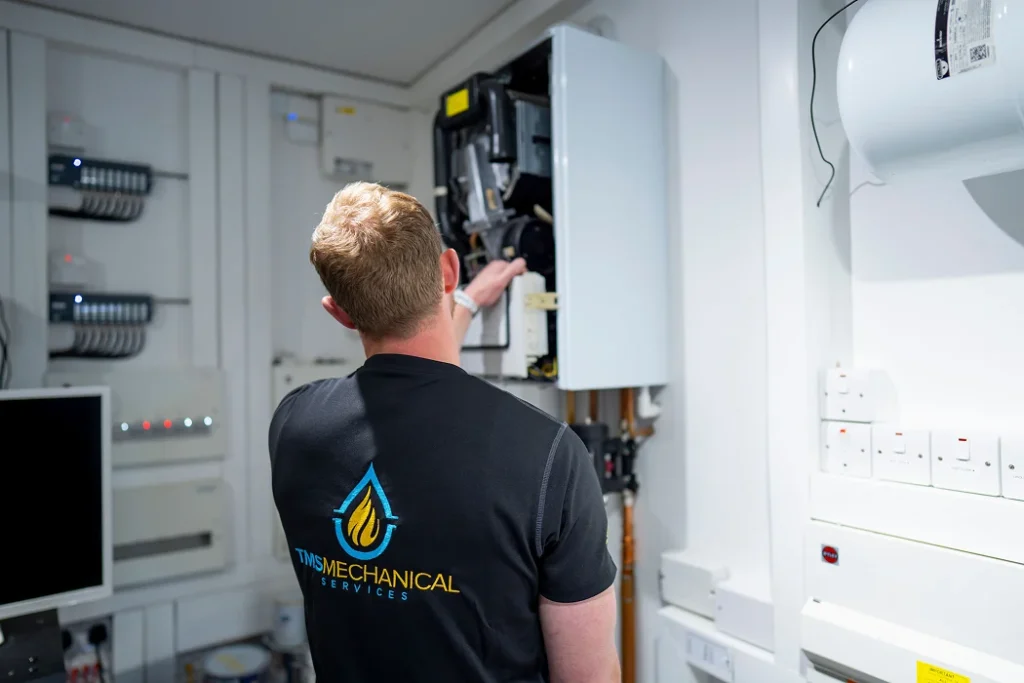
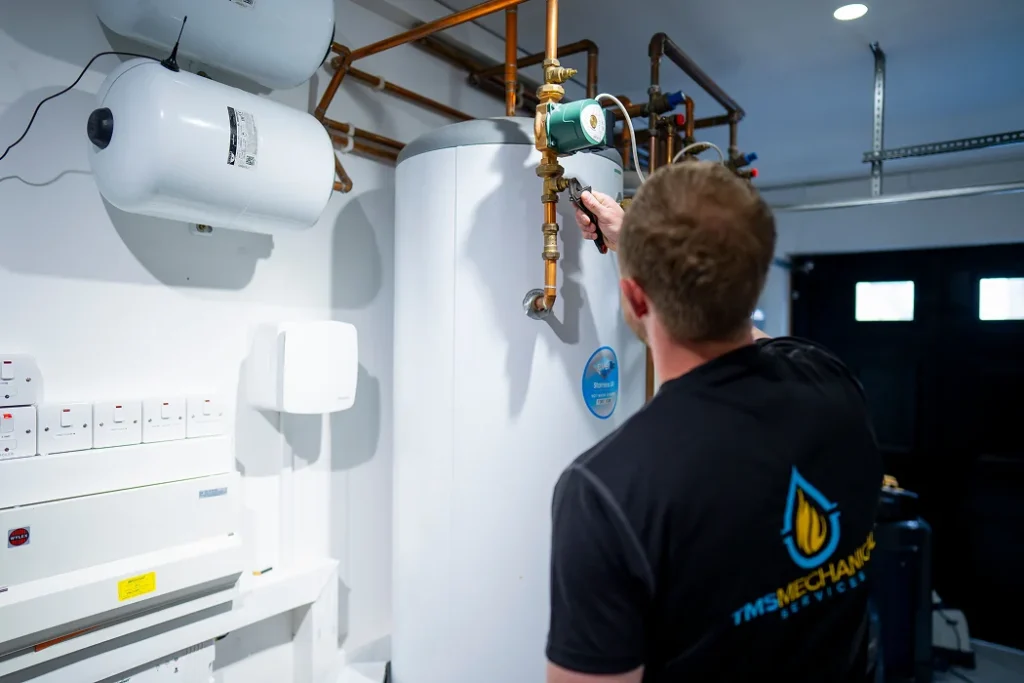
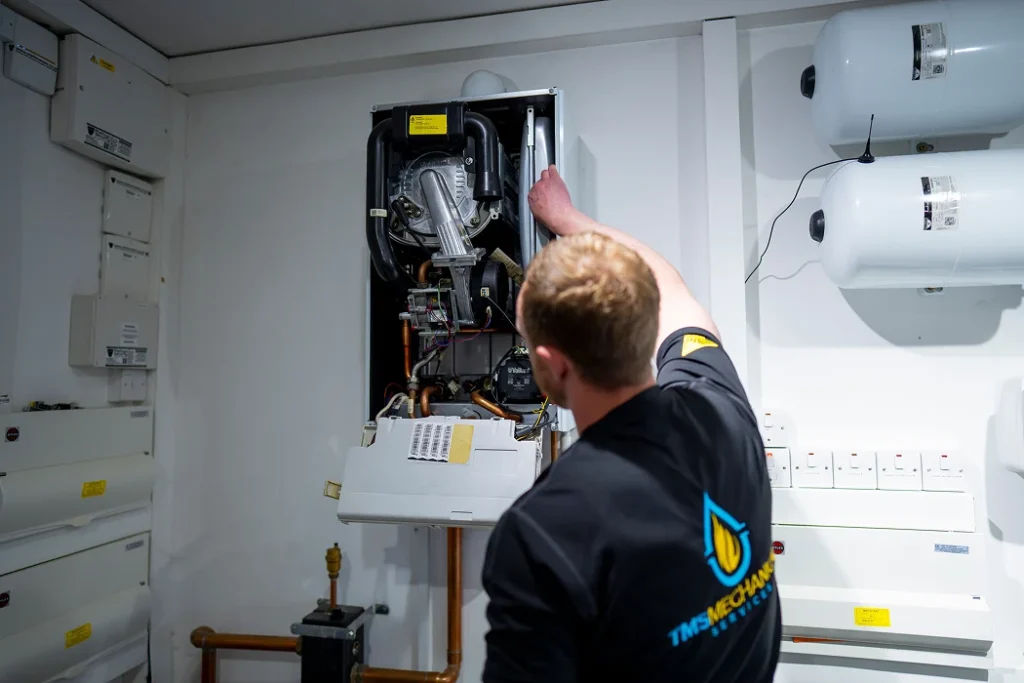
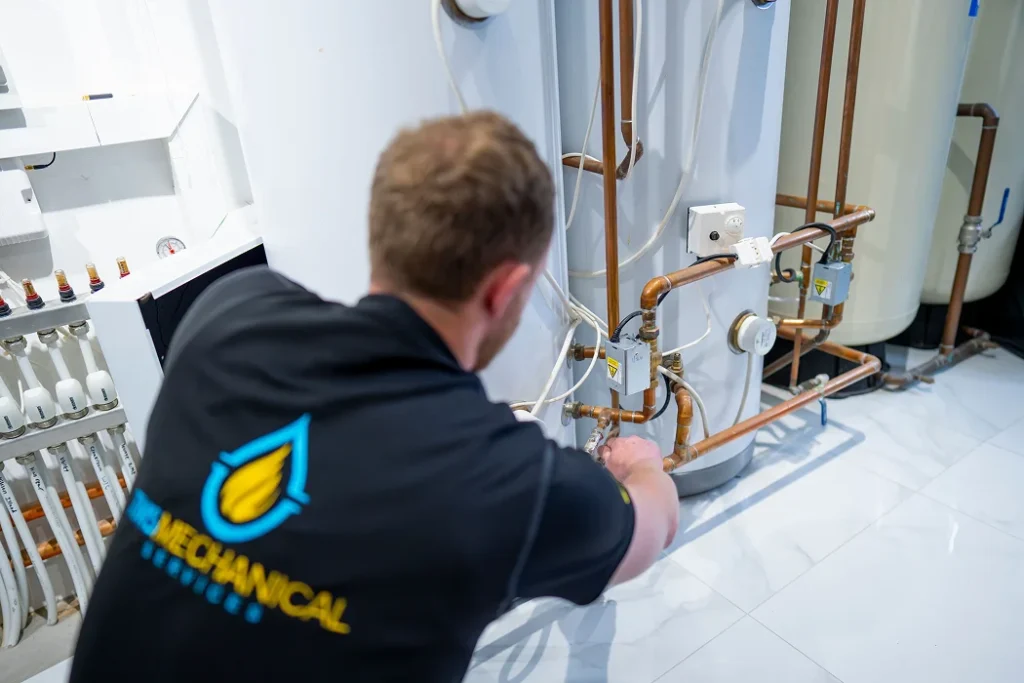
From safety regulations to system testing, a professional installation involves far more than simply fitting a new appliance. If you are planning a new heating system and would like guidance from experienced engineers, our team at TMS Mechanical Services can help you explore suitable options.
What Standards Should a Boiler Installation Company Follow?
Professional installers must follow a range of safety and performance standards when working with gas appliances. These regulations exist to protect both the property and the people living inside it.
A reputable installer will normally follow standards that include:
- Gas Safe registration and certification
- Compliance with manufacturer installation guidelines
- Proper system testing and commissioning
- Accurate system sizing and design
- Safe flue installation and ventilation checks
Any professional gas boiler installation company should be able to clearly explain these procedures before work begins.
Why Is Gas Safe Registration Important?
One of the most important checks homeowners can make is whether their installer is Gas Safe registered.
Gas Safe registration confirms that the engineer is legally qualified to work on gas appliances in the UK. Installers must pass assessments and maintain their certification to remain on the register.
Working with qualified engineers ensures:
- Gas appliances are installed safely
- Systems comply with UK regulations
- Safety inspections are completed correctly
- Documentation is issued after installation
When comparing boiler installation companies, verifying this registration should always be one of the first steps.
What Does a Professional Installation Process Look Like?
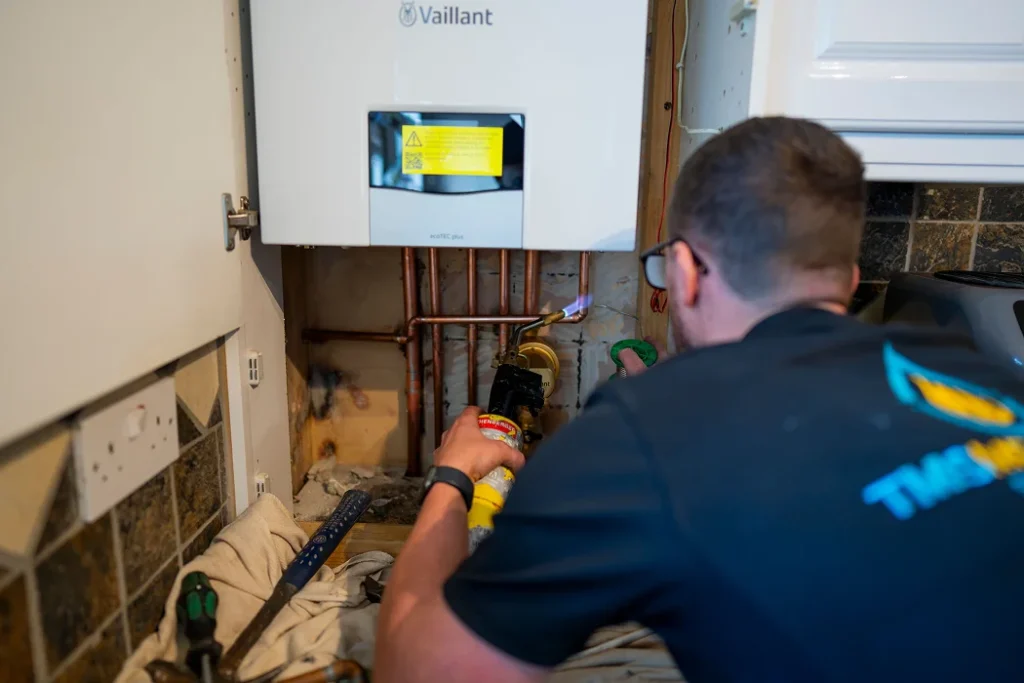
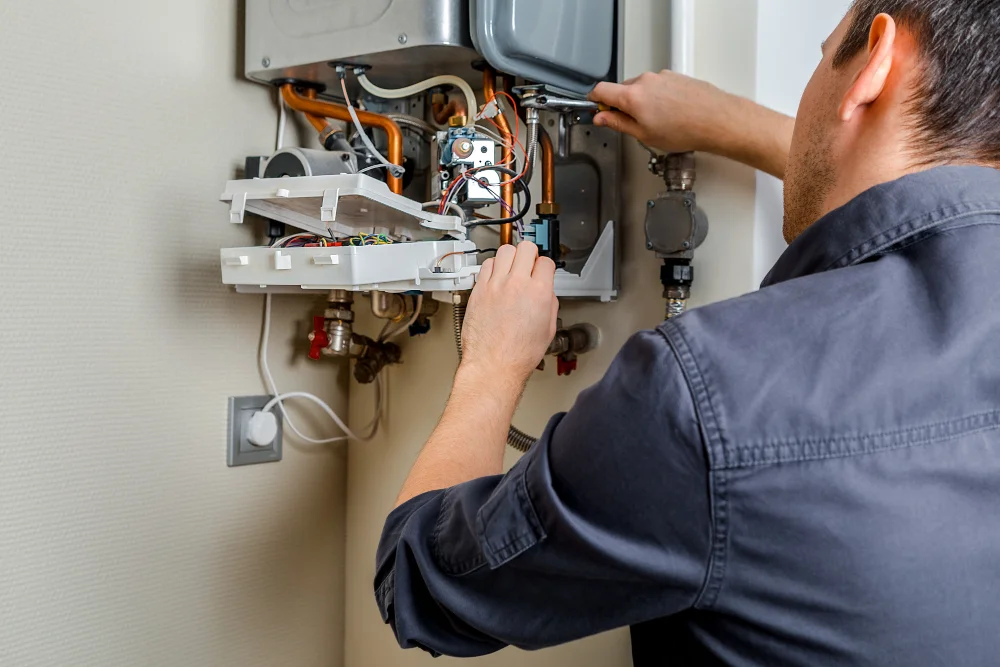
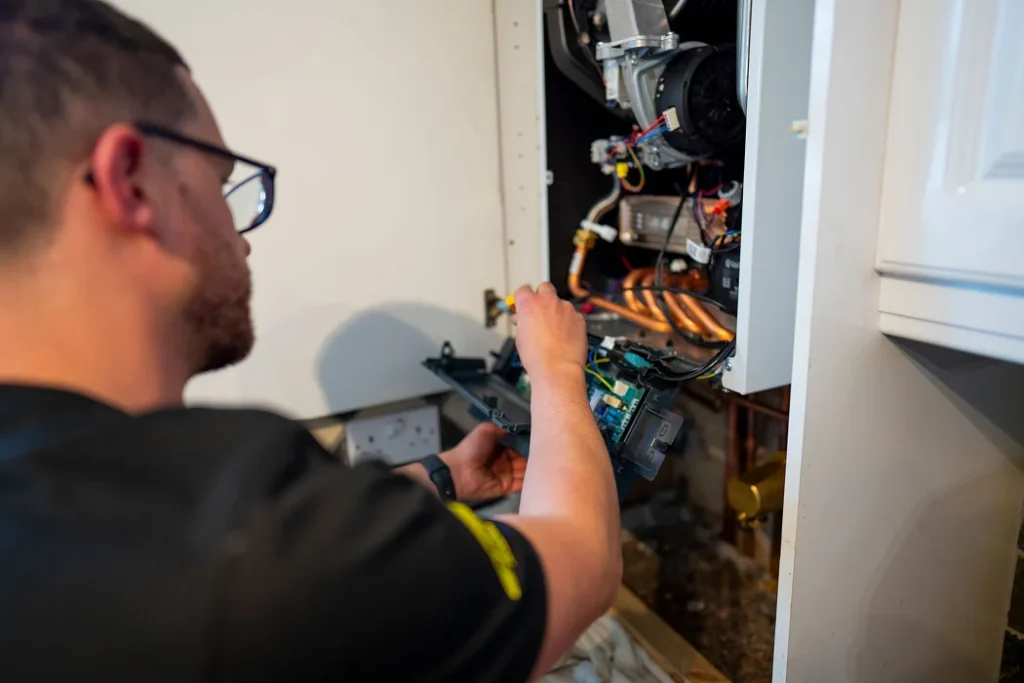
A professional installation follows a structured process designed to ensure safety and system efficiency.
Below is a typical overview of how the process works:
| Installation Stage | Purpose |
| Initial system assessment | Determine the correct boiler size and type |
| Removal of old boiler | Safely disconnect and remove existing equipment |
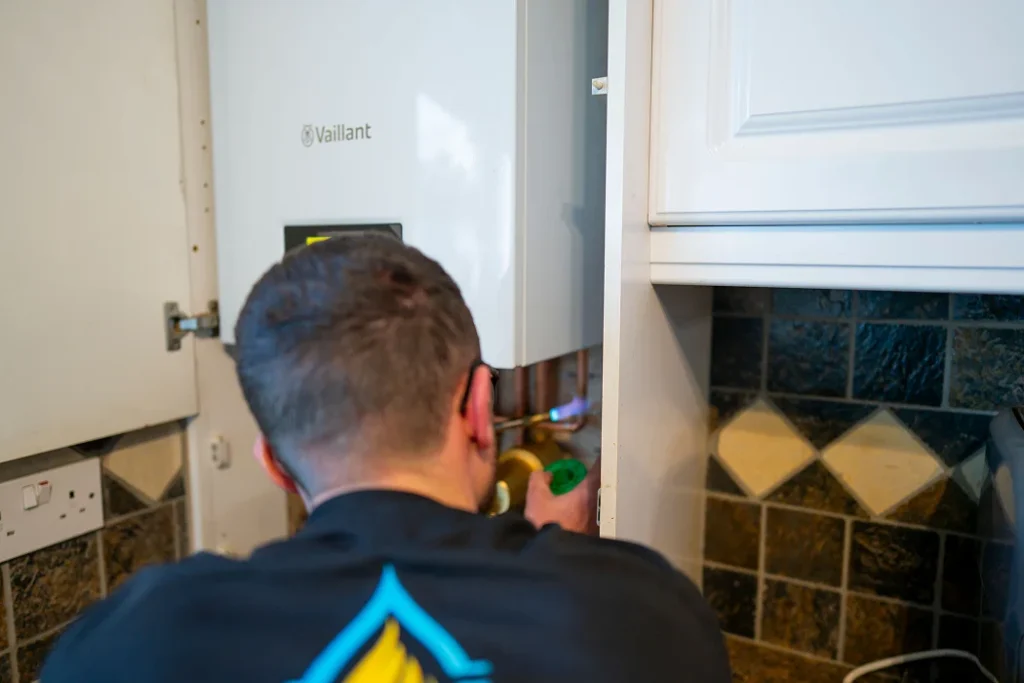
| Installation of new unit | Fit the boiler, pipework connections and flue |
| System flushing | Remove debris from the heating system |
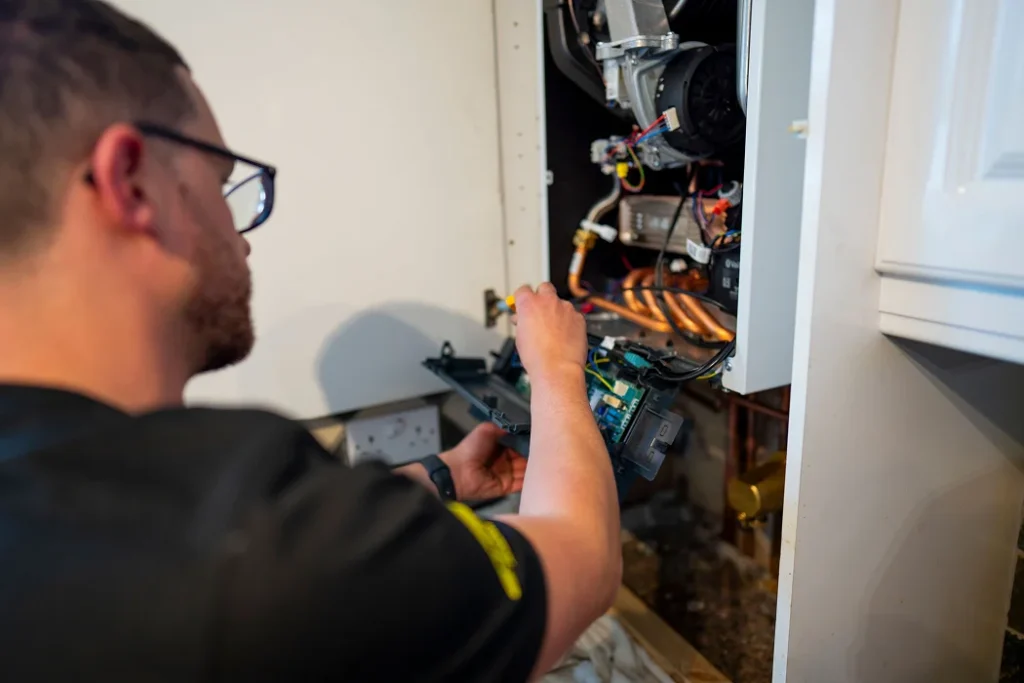
| Testing and commissioning | Ensure the system operates safely and efficiently |
| Certification | Provide documentation confirming compliance |
A reliable gas boiler installation company will carry out each of these steps to ensure the system performs correctly.
Should Installers Assess the Whole Heating System?
Yes. A boiler does not operate independently – it works as part of a wider heating system.
Professional installers will usually review the entire system before recommending a new boiler.
This assessment may include:
- Radiator sizes and placement
- Pipework condition
- Heating controls and thermostats
- System pressure and circulation
- Overall heating demand of the property
Taking these factors into account ensures the boiler is correctly sized and capable of meeting the home’s heating needs.
What type of boiler do you currently have?

Combi Boiler

Regular Boiler

System Boiler

Back Boiler
It just takes 60 seconds
And then you can book a free consultation
What Documentation Should Homeowners Receive?
After installation, homeowners should receive several important documents confirming the work has been completed safely.
These typically include:
- Gas Safe installation certificate
- Boiler warranty documentation
- User instructions for operating the system
- Details of recommended servicing intervals
Reputable boiler installation companies will explain these documents and ensure homeowners understand how to operate the system safely.
If you would like advice about installation standards or boiler options for your home, our team can provide guidance based on your property’s requirements.
How Do Installers Ensure Boiler Efficiency?
Modern boilers are designed to operate efficiently, but proper installation is essential for achieving their full performance.
Several installation steps help maximise efficiency:
- Correct boiler sizing based on heat demand
- Proper balancing of radiators
- System flushing to remove sludge
- Installation of modern heating controls
These measures ensure the heating system distributes heat effectively throughout the property.
A professional gas boiler installation company will normally include these steps as part of their standard installation procedure.
Case Example: Improving Heating Performance in a Family Home
Consider a typical three-bedroom property with an ageing boiler that struggles to maintain consistent heating during winter.
The homeowner decides to replace the outdated system. After assessing the property, the installer identifies several issues, including sludge in the radiators and inefficient heating controls.
During installation, the system is flushed and modern controls are fitted alongside the new boiler. Once completed, the heating system operates more efficiently and provides more consistent warmth throughout the house.
Situations like this demonstrate why installation standards play a key role in long-term system performance.
What Questions Should You Ask Before Hiring an Installer?
Choosing the right installer can feel overwhelming, especially when multiple companies offer similar services.
To make an informed decision, homeowners may want to ask:
- Are your engineers Gas Safe registered?
- What steps are included in the installation process?
- Does the quote include system flushing?
- What warranty comes with the boiler?
- Will the system be tested and commissioned after installation?
Asking these questions can help homeowners compare boiler installation companies more effectively.
Why Installation Quality Matters
Even the best boiler cannot perform well if it is installed incorrectly. Poor installation can lead to inefficient heating, system faults, or even safety risks.
A properly installed boiler should deliver:
- Consistent heating throughout the home
- Reliable hot water performance
- Improved energy efficiency
- Reduced likelihood of breakdowns
Working with a reputable installer helps ensure the system operates safely and efficiently for years to come.
Choosing the Right Installation Professionals
Installing a new boiler is a significant investment in your home’s comfort and efficiency. Understanding the standards that professional installers follow can help you choose a reliable company and avoid potential problems in the future.If you are planning a boiler upgrade and want reassurance that the installation will be carried out to high standards, the team at TMS Mechanical Services can provide expert guidance from the initial assessment through to completion.
Related articles


What type of boiler do you currently have?
Combi Boiler
Regular Boiler
System Boiler
Back Boiler
At a glance
However, not all installers operate to the same standards. Understanding what a professional gas boiler installation company should provide helps homeowners make informed choices when upgrading their heating system.
From safety regulations to system testing, a professional installation involves far more than simply fitting a new appliance. If you are planning a new heating system and would like guidance from experienced engineers, our team at TMS Mechanical Services can help you explore suitable options.
What Standards Should a Boiler Installation Company Follow?
Professional installers must follow a range of safety and performance standards when working with gas appliances. These regulations exist to protect both the property and the people living inside it.
A reputable installer will normally follow standards that include:
- Gas Safe registration and certification
- Compliance with manufacturer installation guidelines
- Proper system testing and commissioning
- Accurate system sizing and design
- Safe flue installation and ventilation checks
Any professional gas boiler installation company should be able to clearly explain these procedures before work begins.
Why Is Gas Safe Registration Important?
One of the most important checks homeowners can make is whether their installer is Gas Safe registered.
Gas Safe registration confirms that the engineer is legally qualified to work on gas appliances in the UK. Installers must pass assessments and maintain their certification to remain on the register.
Working with qualified engineers ensures:
- Gas appliances are installed safely
- Systems comply with UK regulations
- Safety inspections are completed correctly
- Documentation is issued after installation
When comparing boiler installation companies, verifying this registration should always be one of the first steps.
What Does a Professional Installation Process Look Like?
A professional installation follows a structured process designed to ensure safety and system efficiency.
Below is a typical overview of how the process works:
| Installation Stage | Purpose |
| Initial system assessment | Determine the correct boiler size and type |
| Removal of old boiler | Safely disconnect and remove existing equipment |
| Installation of new unit | Fit the boiler, pipework connections and flue |
| System flushing | Remove debris from the heating system |
| Testing and commissioning | Ensure the system operates safely and efficiently |
| Certification | Provide documentation confirming compliance |
A reliable gas boiler installation company will carry out each of these steps to ensure the system performs correctly.
Should Installers Assess the Whole Heating System?
Yes. A boiler does not operate independently – it works as part of a wider heating system.
Professional installers will usually review the entire system before recommending a new boiler.
This assessment may include:
- Radiator sizes and placement
- Pipework condition
- Heating controls and thermostats
- System pressure and circulation
- Overall heating demand of the property
Taking these factors into account ensures the boiler is correctly sized and capable of meeting the home’s heating needs.
What type of boiler do you currently have?
Combi Boiler
Regular Boiler
System Boiler
Back Boiler
It just takes 60 seconds
And then you can book a free consultation
What Documentation Should Homeowners Receive?
After installation, homeowners should receive several important documents confirming the work has been completed safely.
These typically include:
- Gas Safe installation certificate
- Boiler warranty documentation
- User instructions for operating the system
- Details of recommended servicing intervals
Reputable boiler installation companies will explain these documents and ensure homeowners understand how to operate the system safely.
If you would like advice about installation standards or boiler options for your home, our team can provide guidance based on your property’s requirements.
How Do Installers Ensure Boiler Efficiency?
Modern boilers are designed to operate efficiently, but proper installation is essential for achieving their full performance.
Several installation steps help maximise efficiency:
- Correct boiler sizing based on heat demand
- Proper balancing of radiators
- System flushing to remove sludge
- Installation of modern heating controls
These measures ensure the heating system distributes heat effectively throughout the property.
A professional gas boiler installation company will normally include these steps as part of their standard installation procedure.
Case Example: Improving Heating Performance in a Family Home
Consider a typical three-bedroom property with an ageing boiler that struggles to maintain consistent heating during winter.
The homeowner decides to replace the outdated system. After assessing the property, the installer identifies several issues, including sludge in the radiators and inefficient heating controls.
During installation, the system is flushed and modern controls are fitted alongside the new boiler. Once completed, the heating system operates more efficiently and provides more consistent warmth throughout the house.
Situations like this demonstrate why installation standards play a key role in long-term system performance.
What Questions Should You Ask Before Hiring an Installer?
Choosing the right installer can feel overwhelming, especially when multiple companies offer similar services.
To make an informed decision, homeowners may want to ask:
- Are your engineers Gas Safe registered?
- What steps are included in the installation process?
- Does the quote include system flushing?
- What warranty comes with the boiler?
- Will the system be tested and commissioned after installation?
Asking these questions can help homeowners compare boiler installation companies more effectively.
Why Installation Quality Matters
Even the best boiler cannot perform well if it is installed incorrectly. Poor installation can lead to inefficient heating, system faults, or even safety risks.
A properly installed boiler should deliver:
- Consistent heating throughout the home
- Reliable hot water performance
- Improved energy efficiency
- Reduced likelihood of breakdowns
Working with a reputable installer helps ensure the system operates safely and efficiently for years to come.
Choosing the Right Installation Professionals
Installing a new boiler is a significant investment in your home’s comfort and efficiency. Understanding the standards that professional installers follow can help you choose a reliable company and avoid potential problems in the future.If you are planning a boiler upgrade and want reassurance that the installation will be carried out to high standards, the team at TMS Mechanical Services can provide expert guidance from the initial assessment through to completion.
Related articles
What type of boiler do you currently have?
Combi Boiler
Regular Boiler
System Boiler
Back Boiler