Boiler Repair vs Boiler Replacement Cost: Making the Right Choice
When your boiler starts to fail, the big question is whether to repair it or replace it altogether. Both options come with their own costs and long-term implications, so making the right decision is not always straightforward.

Why you can trust our content
We understand that the boiler industry can be confusing, with plenty of outdated or misleading information. That’s why we rely only on trusted, proven sources to guide our advice and installations:
At a glance
For most homeowners, the decision comes down to balancing short-term affordability with long-term value. Understanding how boiler repair cost compares to a full replacement can help you avoid overspending while ensuring your home stays warm and reliable.
If you are unsure which route to take, you can contact our team at TMS Mechanical Services for a clear, professional assessment based on your system.
What Is the Difference Between Repair and Replacement?
Before comparing costs, it helps to understand what each option involves.
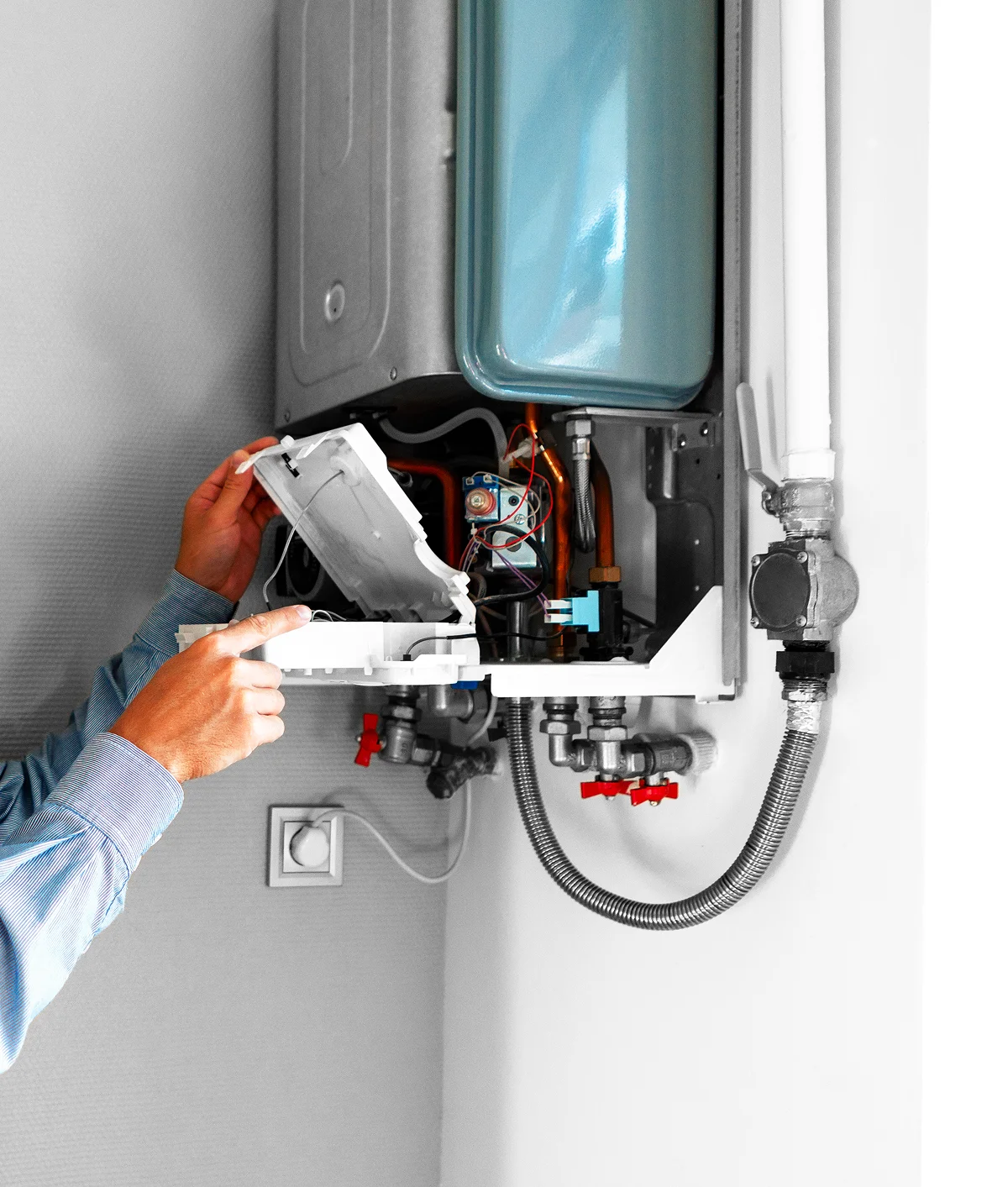
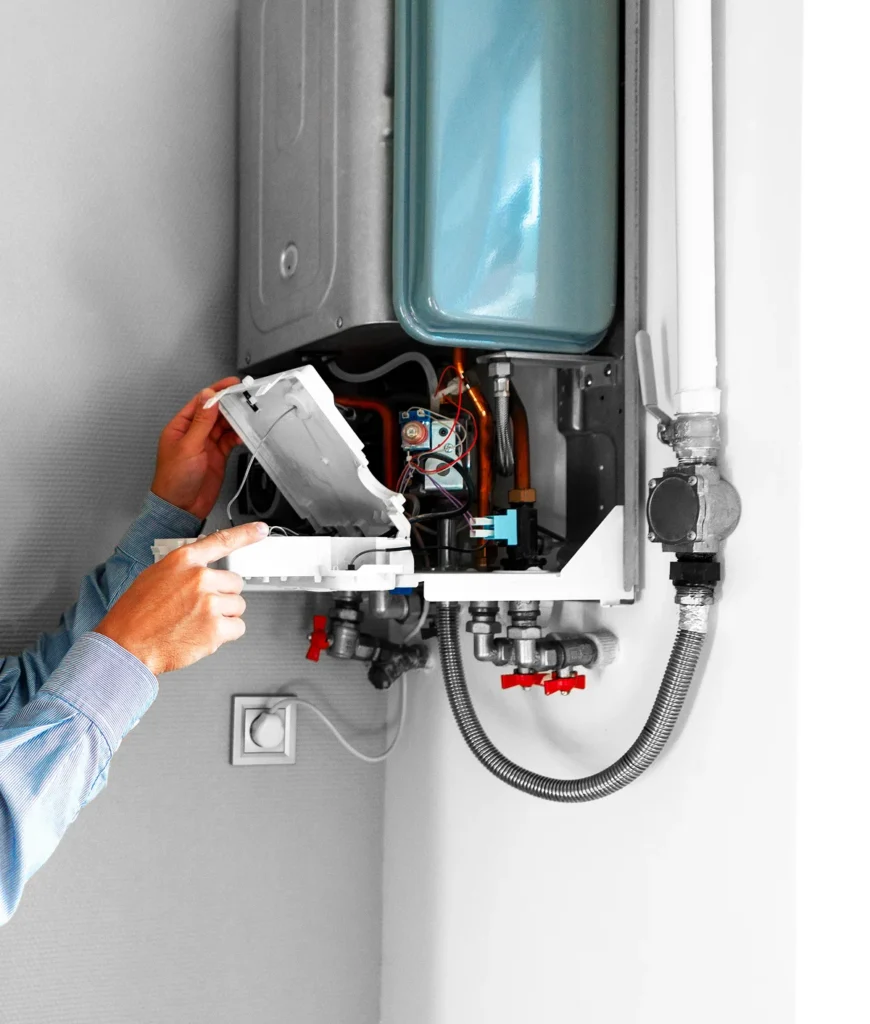
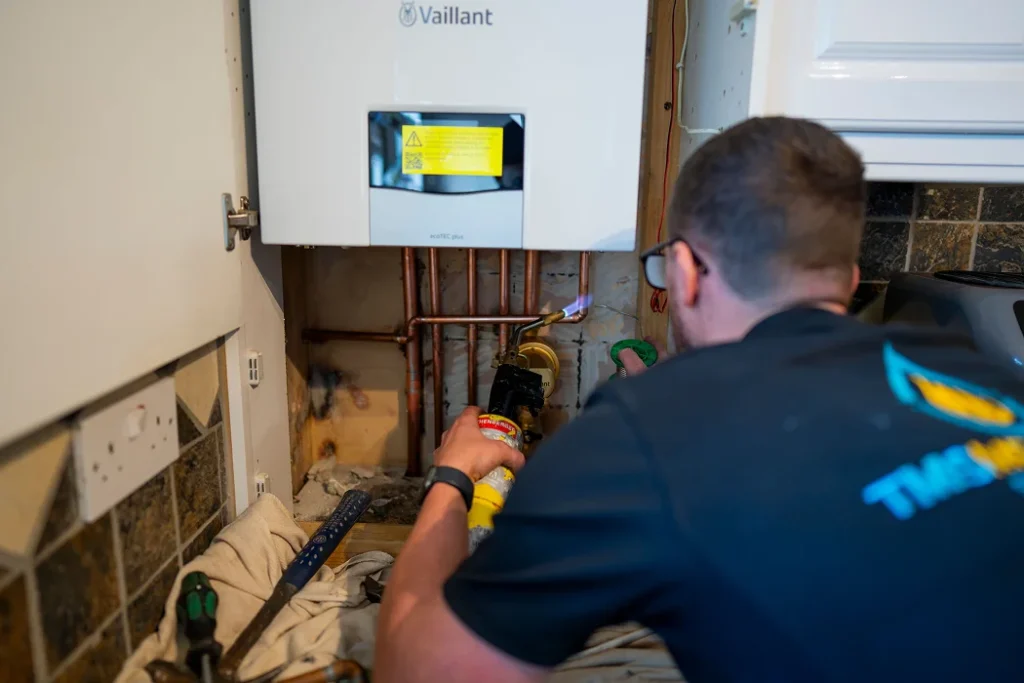
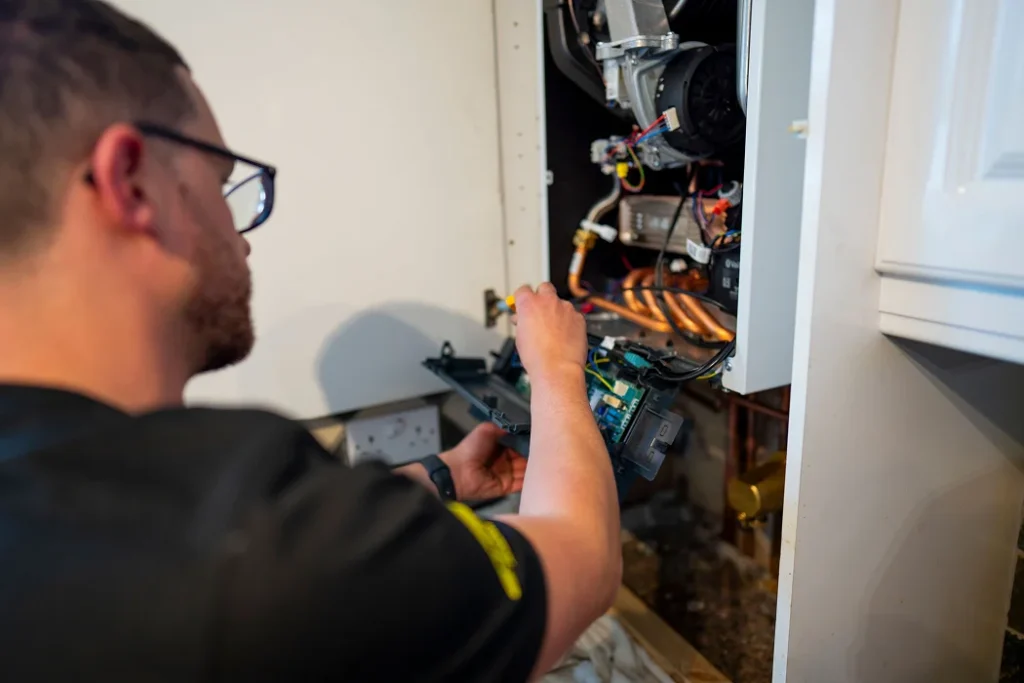
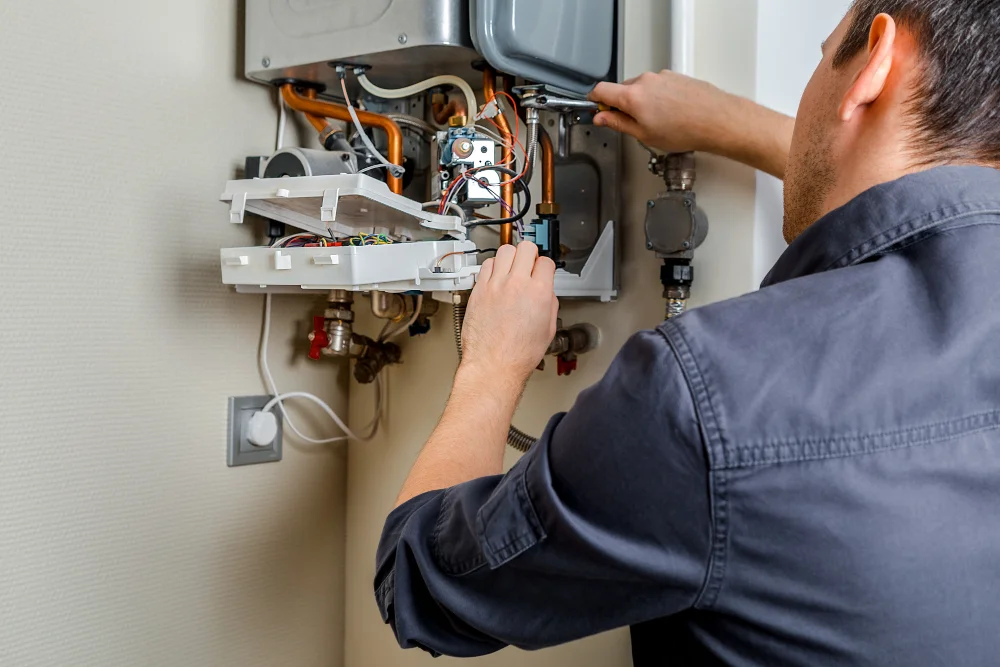
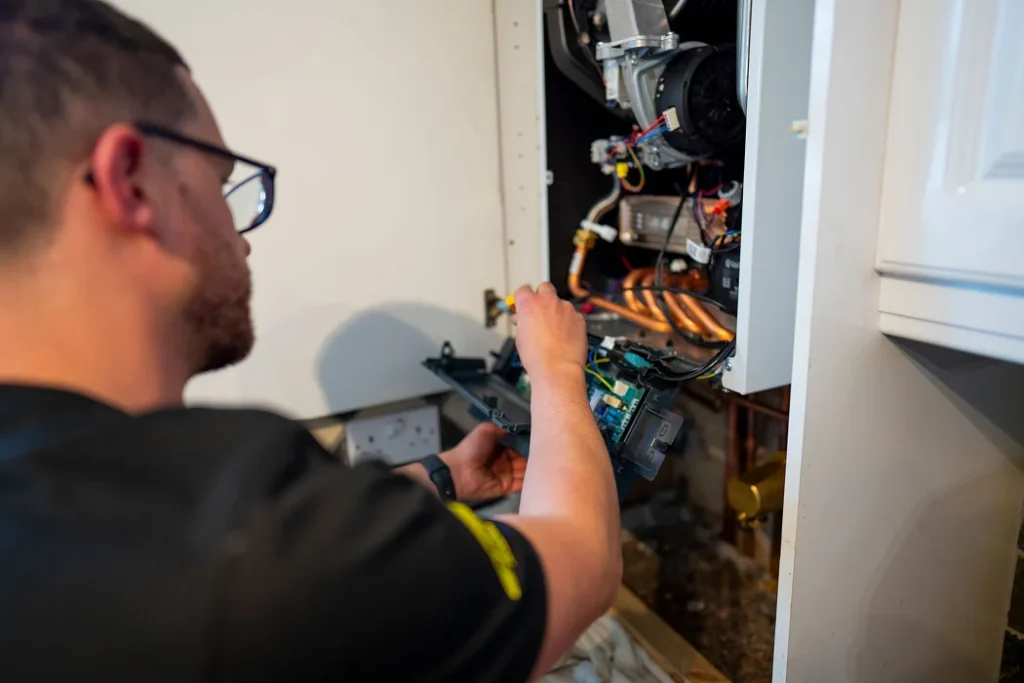
A repair focuses on fixing a specific fault within your existing system. This could be anything from replacing a faulty component to resolving pressure or ignition issues.
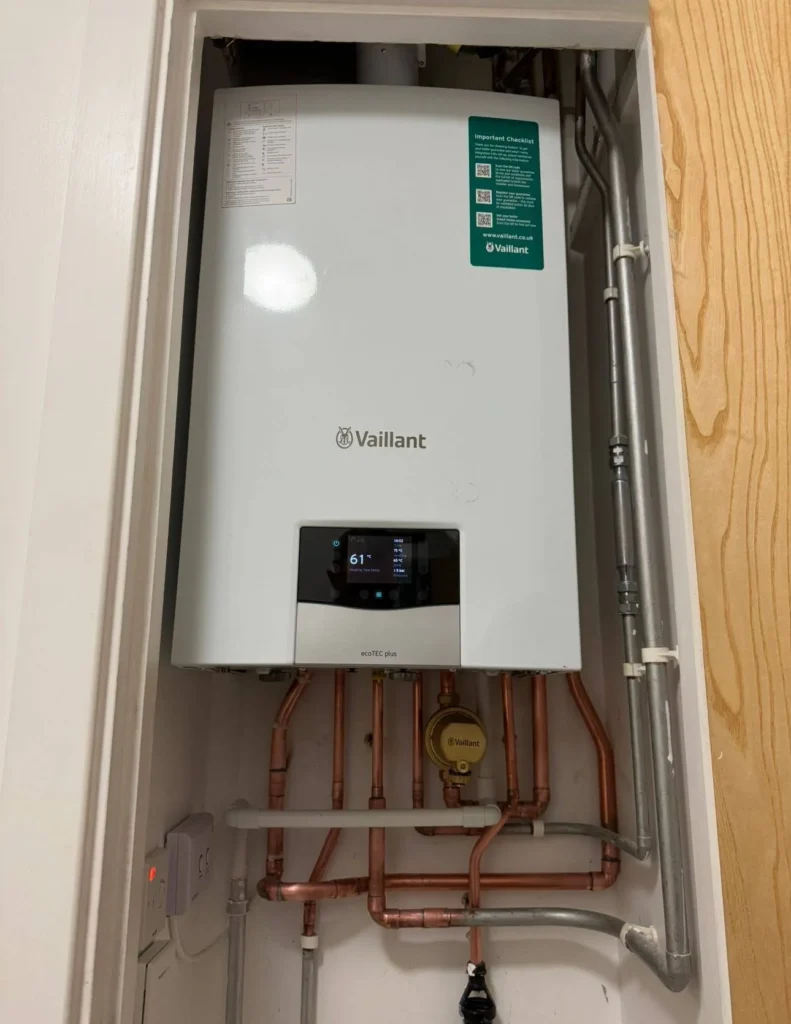
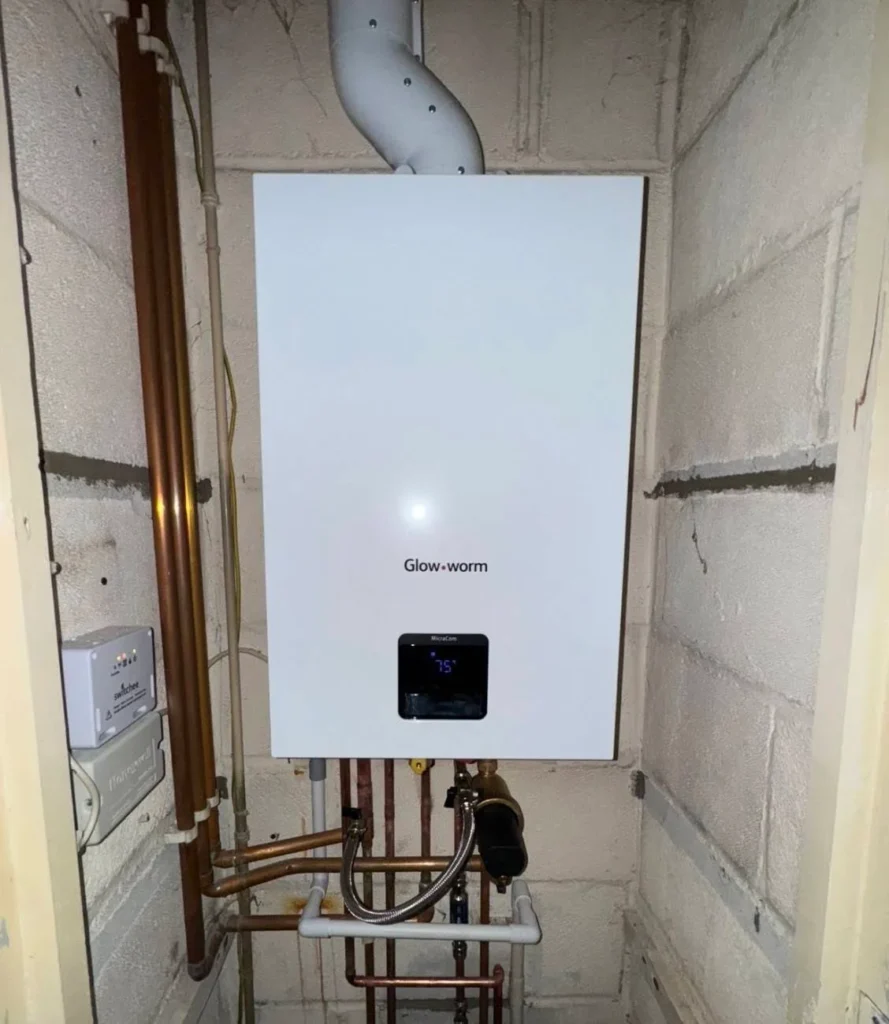
A replacement, on the other hand, involves removing the entire boiler and installing a new one. This is a larger investment but offers long-term benefits such as improved efficiency and reliability.
How Much Does Boiler Repair Typically Cost?
Repair costs can vary significantly depending on the issue. Minor faults are usually inexpensive, while more complex problems can increase the overall bill.
The boiler repair cost is usually influenced by:
- Type and severity of the fault
- Cost of replacement parts
- Labour time required
- Age and model of the boiler
For newer boilers with readily available parts, repairs are often a cost-effective solution. However, as systems age, repairs can become more expensive and less reliable.
What Is the Average Boiler Replacement Cost?
A full replacement is a larger upfront investment, but it often provides better long-term value.
The boiler replacement cost typically depends on:
- Boiler type and brand
- Size of the property
- Installation complexity
- Any required upgrades to pipework or controls
While the initial cost is higher, a new boiler can reduce energy bills and eliminate the need for frequent repairs, making it a worthwhile investment over time.
When Is It Better to Repair Your Boiler?
Repairing your boiler is usually the best option in the early stages of its lifespan.
You should consider repairing if:
- The boiler is under 10 years old
- The fault is isolated and not recurring
- Repair costs are relatively low
- The system is otherwise performing efficiently
In these cases, paying a manageable boiler repair cost can extend the life of your system without the need for a significant upfront expense.
What type of boiler do you currently have?

Combi Boiler

Regular Boiler

System Boiler

Back Boiler
It just takes 60 seconds
And then you can book a free consultation
When Should You Replace Instead?
There are situations where replacement becomes the more sensible choice, even if repairs are technically possible.
You may want to replace your boiler if:
- It is over 12–15 years old
- Repairs are becoming frequent or costly
- Efficiency has noticeably declined
- Key components are no longer available
At this stage, continuing to invest in repairs can become a false economy. A new system offers improved performance and greater reliability.
How Do Long-Term Costs Compare?
Looking beyond the initial expense is key to making the right decision.
| Factor | Repair | Replacement |
| Upfront Cost | Lower | Higher |
| Long-Term Reliability | May decline over time | High reliability |
| Energy Efficiency | Often lower (especially older units) | Higher with modern systems |
| Ongoing Costs | Potentially frequent repairs | Minimal if well maintained |
While repairs may seem cheaper initially, repeated fixes can add up quickly. In contrast, a new boiler provides stability and predictable running costs.
Can Energy Efficiency Influence Your Decision?
Absolutely. Older boilers tend to operate less efficiently, meaning they use more fuel to produce the same level of heat.
Upgrading to a modern system can:
- Reduce energy consumption
- Lower monthly heating bills
- Provide more consistent heating
- Improve overall comfort
If your current boiler is inefficient, the long-term savings from replacement can outweigh the higher upfront boiler replacement cost.
What About Unexpected Breakdowns?
Emergency situations can complicate the decision-making process. When a boiler fails completely, homeowners often need a quick solution.
In these cases:
- If the boiler is relatively new, a repair is usually the quickest option
- If the boiler is older, replacement may be more practical to avoid further disruption
Planning ahead can help you avoid rushed decisions and ensure you choose the most cost-effective solution.
A Practical Example
A common scenario involves a homeowner with a 13-year-old boiler that has started to develop recurring faults. Initially, small repairs kept the system running, but over time, the issues became more frequent.
After comparing ongoing repair expenses with the cost of a new installation, it became clear that continuing to pay for repairs was no longer good value.
By choosing replacement, the homeowner gained:
- Reliable heating with fewer disruptions
- Improved efficiency and lower energy bills
- Peace of mind during colder months
This example highlights the importance of looking at the bigger picture rather than focusing solely on short-term costs.
How Can You Make the Right Decision?
Making the right choice involves considering both your current situation and future needs.
Ask yourself:
- How old is my boiler?
- How often does it need repairs?
- Are energy bills increasing?
- Is the system still reliable?
A professional assessment can help answer these questions and provide clarity.
Speak to us today for tailored advice on whether repair or replacement is the best option for your home.
Final Thoughts
Choosing between repairing and replacing your boiler is about more than just cost. It is about reliability, efficiency, and long-term value. While repairs can be a practical short-term solution, there comes a point where replacement becomes the smarter investment.
By carefully comparing your options and seeking expert advice, you can make a decision that keeps your home comfortable and your costs under control.
[CTA 3] For honest guidance and professional support, you can book with TMS Mechanical Services and find the right solution with confidence.
Related articles


What type of boiler do you currently have?
Combi Boiler
Regular Boiler
System Boiler
Back Boiler
At a glance
For most homeowners, the decision comes down to balancing short-term affordability with long-term value. Understanding how boiler repair cost compares to a full replacement can help you avoid overspending while ensuring your home stays warm and reliable.
If you are unsure which route to take, you can contact our team at TMS Mechanical Services for a clear, professional assessment based on your system.
What Is the Difference Between Repair and Replacement?
Before comparing costs, it helps to understand what each option involves.
A repair focuses on fixing a specific fault within your existing system. This could be anything from replacing a faulty component to resolving pressure or ignition issues.
A replacement, on the other hand, involves removing the entire boiler and installing a new one. This is a larger investment but offers long-term benefits such as improved efficiency and reliability.
How Much Does Boiler Repair Typically Cost?
Repair costs can vary significantly depending on the issue. Minor faults are usually inexpensive, while more complex problems can increase the overall bill.
The boiler repair cost is usually influenced by:
- Type and severity of the fault
- Cost of replacement parts
- Labour time required
- Age and model of the boiler
For newer boilers with readily available parts, repairs are often a cost-effective solution. However, as systems age, repairs can become more expensive and less reliable.
What Is the Average Boiler Replacement Cost?
A full replacement is a larger upfront investment, but it often provides better long-term value.
The boiler replacement cost typically depends on:
- Boiler type and brand
- Size of the property
- Installation complexity
- Any required upgrades to pipework or controls
While the initial cost is higher, a new boiler can reduce energy bills and eliminate the need for frequent repairs, making it a worthwhile investment over time.
When Is It Better to Repair Your Boiler?
Repairing your boiler is usually the best option in the early stages of its lifespan.
You should consider repairing if:
- The boiler is under 10 years old
- The fault is isolated and not recurring
- Repair costs are relatively low
- The system is otherwise performing efficiently
In these cases, paying a manageable boiler repair cost can extend the life of your system without the need for a significant upfront expense.
What type of boiler do you currently have?
Combi Boiler
Regular Boiler
System Boiler
Back Boiler
It just takes 60 seconds
And then you can book a free consultation
When Should You Replace Instead?
There are situations where replacement becomes the more sensible choice, even if repairs are technically possible.
You may want to replace your boiler if:
- It is over 12–15 years old
- Repairs are becoming frequent or costly
- Efficiency has noticeably declined
- Key components are no longer available
At this stage, continuing to invest in repairs can become a false economy. A new system offers improved performance and greater reliability.
How Do Long-Term Costs Compare?
Looking beyond the initial expense is key to making the right decision.
| Factor | Repair | Replacement |
| Upfront Cost | Lower | Higher |
| Long-Term Reliability | May decline over time | High reliability |
| Energy Efficiency | Often lower (especially older units) | Higher with modern systems |
| Ongoing Costs | Potentially frequent repairs | Minimal if well maintained |
While repairs may seem cheaper initially, repeated fixes can add up quickly. In contrast, a new boiler provides stability and predictable running costs.
Can Energy Efficiency Influence Your Decision?
Absolutely. Older boilers tend to operate less efficiently, meaning they use more fuel to produce the same level of heat.
Upgrading to a modern system can:
- Reduce energy consumption
- Lower monthly heating bills
- Provide more consistent heating
- Improve overall comfort
If your current boiler is inefficient, the long-term savings from replacement can outweigh the higher upfront boiler replacement cost.
What About Unexpected Breakdowns?
Emergency situations can complicate the decision-making process. When a boiler fails completely, homeowners often need a quick solution.
In these cases:
- If the boiler is relatively new, a repair is usually the quickest option
- If the boiler is older, replacement may be more practical to avoid further disruption
Planning ahead can help you avoid rushed decisions and ensure you choose the most cost-effective solution.
A Practical Example
A common scenario involves a homeowner with a 13-year-old boiler that has started to develop recurring faults. Initially, small repairs kept the system running, but over time, the issues became more frequent.
After comparing ongoing repair expenses with the cost of a new installation, it became clear that continuing to pay for repairs was no longer good value.
By choosing replacement, the homeowner gained:
- Reliable heating with fewer disruptions
- Improved efficiency and lower energy bills
- Peace of mind during colder months
This example highlights the importance of looking at the bigger picture rather than focusing solely on short-term costs.
How Can You Make the Right Decision?
Making the right choice involves considering both your current situation and future needs.
Ask yourself:
- How old is my boiler?
- How often does it need repairs?
- Are energy bills increasing?
- Is the system still reliable?
A professional assessment can help answer these questions and provide clarity.
Speak to us today for tailored advice on whether repair or replacement is the best option for your home.
Final Thoughts
Choosing between repairing and replacing your boiler is about more than just cost. It is about reliability, efficiency, and long-term value. While repairs can be a practical short-term solution, there comes a point where replacement becomes the smarter investment.
By carefully comparing your options and seeking expert advice, you can make a decision that keeps your home comfortable and your costs under control.
[CTA 3] For honest guidance and professional support, you can book with TMS Mechanical Services and find the right solution with confidence.
Related articles
What type of boiler do you currently have?
Combi Boiler
Regular Boiler
System Boiler
Back Boiler