
Boiler Prices and Installation: Planning Labour, Parts and Access Before Work Starts
Buying a new boiler is not simply a matter of choosing an appliance from a price list. The total project includes the boiler itself, labour, installation materials and any changes needed to connect the new system correctly.

Why you can trust our content
We understand that the boiler industry can be confusing, with plenty of outdated or misleading information. That’s why we rely only on trusted, proven sources to guide our advice and installations:
At a glance
This is why the cost for boiler installation can vary considerably between properties. A straightforward replacement may involve limited additional work, while a boiler relocation or an installation with older pipework can require more time and materials.
Understanding these factors before work starts can help homeowners budget realistically and compare quotations more effectively.
If you are planning a boiler replacement, contact TMS Mechanical Services to discuss your property’s requirements and request tailored advice before booking the work.
What makes up the total cost of a boiler installation?
The final price generally consists of several separate elements rather than one simple appliance cost.
These can include:
- The boiler itself
- Installer labour
- Flue components
- Pipework and fittings
- Heating controls
- Condensate drainage
- Removal of the existing boiler
- System preparation
- Testing and commissioning
- Any necessary remedial work
Not every installation will require all of these items. The exact combination depends on the existing heating system and the type of replacement being installed.
A quotation should make these elements reasonably clear so that you know what is included before agreeing to the work.
How much does labour contribute to the installation price?
Labour is an important part of the overall project because installing a boiler involves much more than physically mounting the appliance.
The installer may need to remove the existing boiler, prepare connections, modify pipework, install the flue and condensate arrangements, connect controls and carry out testing and commissioning.
The time required can depend on:
- Boiler location
- Ease of access
- Condition of existing connections
- Whether the boiler is being relocated
- Complexity of the heating system
- Additional controls being installed
- Any remedial work required
For this reason, a very low labour figure should not automatically be viewed as better value.
The cost for boiler installation should reflect the complete scope of work required to finish the project properly.
Why can parts and materials change the price?
A new boiler may require different connections or components from the existing appliance.
For example, the installer could need new sections of pipework, valves, brackets, flue components or condensate pipework. The exact requirements depend on the boiler and the property.
Some materials may be standard parts of a particular installation, while others are only needed when the existing system requires modification.
A clear quotation should identify the main materials included and explain whether any additional work may become necessary once the existing boiler has been removed.
Does boiler access affect installation costs?
Yes. Access can have a practical effect on both labour requirements and the overall installation process.
A boiler positioned in an open utility room may be relatively easy to reach. An appliance inside a cramped cupboard, loft space or difficult-to-access area can require more preparation.
Access can influence:
| Factor | Why it matters |
| Working space | Installers need suitable room to work safely |
| Removal | The old appliance must be disconnected and taken away |
| Material handling | New equipment and parts need to reach the work area |
| Pipework access | Existing connections may need inspection or modification |
| Floor protection | Nearby areas may need to be protected during the work |
| Installation position | Restricted spaces can affect how work is carried out |
This does not mean difficult access automatically results in a large additional charge. It simply needs to be considered when preparing an accurate quotation.
Can moving a boiler increase the overall price?
It can. A boiler relocation usually requires more work than replacing the appliance in its existing position.
Moving the boiler may mean installing new heating and water pipework, creating a suitable condensate route, changing the flue arrangement and adapting the heating controls.
The proposed location also needs to be assessed for suitability, access and future servicing.
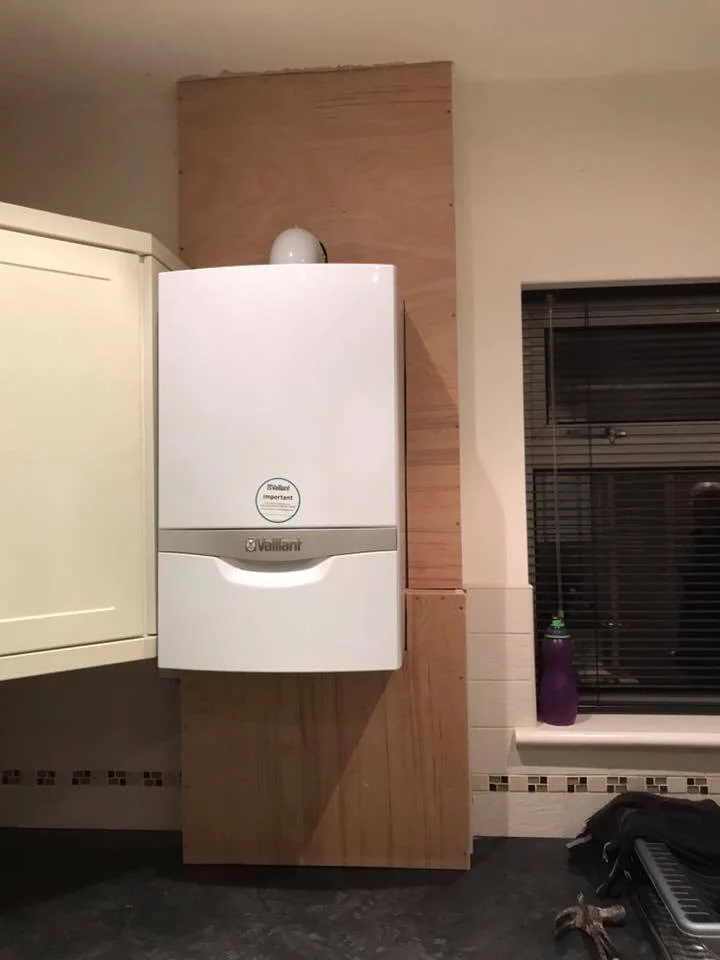
For homeowners considering a kitchen renovation or layout change, moving the boiler can sometimes be worthwhile. However, the additional installation requirements should be understood before deciding.
A boiler prices and installation comparison should therefore distinguish between a like-for-like replacement and a project involving relocation.
What should be included in a boiler quotation?
A detailed quotation makes it easier to understand what you are paying for.
Ideally, it should state:
- The boiler make and model
- Boiler output or specification
- Installation location
- Labour included
- Flue arrangements
- Controls supplied
- Pipework modifications
- Condensate arrangements
- Removal of the existing boiler
- Testing and commissioning
- Warranty information
- Any exclusions or possible additional costs
The more clearly these details are explained, the easier it becomes to compare quotations from different installers.
A quotation that simply provides a total figure without explaining the work can make meaningful comparison difficult.
How does the existing heating system affect the price?
The existing system can have a significant influence on installation requirements.
Older systems may contain pipework or components that are unsuitable for the proposed replacement or may require attention because of their condition.
The installer should assess the system and determine what is actually needed rather than automatically replacing components without reason.
Potential considerations include:
- Existing pipework condition
- Heating system type
- Radiator connections
- Controls
- Expansion arrangements where relevant
- Condensate drainage
- Flue configuration
- System cleanliness and condition
This assessment is particularly important when comparing the cost for new boiler installation between different homes.
Two properties can have similar boilers but very different installation requirements.
What type of boiler do you currently have?

Combi Boiler

Regular Boiler

System Boiler

Back Boiler
It just takes 60 seconds
And then you can book a free consultation
Should you choose a boiler based on price alone?
No. The purchase price is important, but suitability and installation quality also matter.
A boiler needs to be appropriately sized for the property’s heating and hot water demands. The installation must also be completed correctly and commissioned properly.
When considering different options, look at:
- Boiler specification
- Suitability for the property
- Expected installation requirements
- Controls
- Warranty
- Installer qualifications
- Included labour and materials
- After-installation support
A cheaper appliance may not be the most sensible choice if it does not suit the home’s requirements.
Likewise, paying more does not automatically guarantee a better result. The complete installation should be assessed as a whole.
How can you make boiler installation costs more predictable?
Planning is one of the simplest ways to reduce uncertainty.
Start by asking for an assessment of the existing boiler and proposed replacement. Then make sure the quotation clearly explains what is included.
You can also ask the installer:
- Is this a like-for-like replacement?
- Will the boiler remain in the same position?
- Are pipework changes expected?
- Are controls included?
- Is removal and disposal included?
- Could access affect the work?
- What might cause the quoted price to change?
- Will additional work be discussed before it is carried out?
These questions help identify potential variables before installation day.
TMS Mechanical Services can assess the installation requirements and explain the likely work involved, helping you understand your quotation before making a decision.
A typical replacement example
Consider a homeowner with an older combi boiler located in a kitchen cupboard. The replacement boiler can remain in the same position, the existing access is straightforward and only minor connection changes are required.
In this situation, the project may be relatively simple because there is no major relocation or redesign involved.
Now consider a similar home where the owner wants the boiler moved to a different room. The new position requires additional pipework, a different flue route and changes to condensate drainage.
The boilers themselves might be similar, but the overall installation price could be quite different because the labour and materials required have changed.
What should you check about access before the installer arrives?
Once the installation is booked, preparing the working area can help the team start efficiently.
Clear cupboards and remove items that obstruct access. If the boiler is located behind kitchen units or in another restricted area, confirm the access arrangements with the installer beforehand.
It is also worth protecting valuable belongings near the working area and ensuring that children and pets cannot enter the immediate work zone.
Good preparation will not eliminate every possible delay, but it can prevent avoidable problems caused by restricted access.
Why should commissioning be included?
Commissioning is an essential part of completing a boiler installation.
After the appliance and associated components have been installed, the system should be checked and commissioned appropriately. The installer should also explain the controls and provide the relevant documentation.
Before the work is considered complete, homeowners should make sure that:
- Heating operates correctly
- Hot water is available where applicable
- Controls have been explained
- The boiler is operating normally
- Relevant paperwork has been provided
- Warranty information is understood
A proper boiler prices and installation comparison should therefore consider what happens after the appliance is fitted, not simply the initial installation figure.
If you are ready to plan a replacement, speak to TMS Mechanical Services for practical guidance and a bespoke quote based on your heating system and property.
Final Thoughts
Boiler prices and installation costs are influenced by the entire project, not simply the appliance selected. Labour, access, pipework, controls, flue arrangements and existing system conditions can all affect the final figure.
A clear quotation should explain the work in enough detail for you to understand what you are buying and what could cause the price to change. This makes comparing installers much easier and helps avoid unexpected surprises.
TMS Mechanical Services can provide practical advice based on the requirements of your home and heating system. Taking time to assess the installation before work begins can help make the project more predictable from the outset.
Related articles
What type of boiler do you currently have?
Combi Boiler
Regular Boiler
System Boiler
Back Boiler
At a glance
This is why the cost for boiler installation can vary considerably between properties. A straightforward replacement may involve limited additional work, while a boiler relocation or an installation with older pipework can require more time and materials.
Understanding these factors before work starts can help homeowners budget realistically and compare quotations more effectively.
If you are planning a boiler replacement, contact TMS Mechanical Services to discuss your property’s requirements and request tailored advice before booking the work.
What makes up the total cost of a boiler installation?
The final price generally consists of several separate elements rather than one simple appliance cost.
These can include:
- The boiler itself
- Installer labour
- Flue components
- Pipework and fittings
- Heating controls
- Condensate drainage
- Removal of the existing boiler
- System preparation
- Testing and commissioning
- Any necessary remedial work
Not every installation will require all of these items. The exact combination depends on the existing heating system and the type of replacement being installed.
A quotation should make these elements reasonably clear so that you know what is included before agreeing to the work.
How much does labour contribute to the installation price?
Labour is an important part of the overall project because installing a boiler involves much more than physically mounting the appliance.
The installer may need to remove the existing boiler, prepare connections, modify pipework, install the flue and condensate arrangements, connect controls and carry out testing and commissioning.
The time required can depend on:
- Boiler location
- Ease of access
- Condition of existing connections
- Whether the boiler is being relocated
- Complexity of the heating system
- Additional controls being installed
- Any remedial work required
For this reason, a very low labour figure should not automatically be viewed as better value.
The cost for boiler installation should reflect the complete scope of work required to finish the project properly.
Why can parts and materials change the price?
A new boiler may require different connections or components from the existing appliance.
For example, the installer could need new sections of pipework, valves, brackets, flue components or condensate pipework. The exact requirements depend on the boiler and the property.
Some materials may be standard parts of a particular installation, while others are only needed when the existing system requires modification.
A clear quotation should identify the main materials included and explain whether any additional work may become necessary once the existing boiler has been removed.
Does boiler access affect installation costs?
Yes. Access can have a practical effect on both labour requirements and the overall installation process.
A boiler positioned in an open utility room may be relatively easy to reach. An appliance inside a cramped cupboard, loft space or difficult-to-access area can require more preparation.
Access can influence:
| Factor | Why it matters |
| Working space | Installers need suitable room to work safely |
| Removal | The old appliance must be disconnected and taken away |
| Material handling | New equipment and parts need to reach the work area |
| Pipework access | Existing connections may need inspection or modification |
| Floor protection | Nearby areas may need to be protected during the work |
| Installation position | Restricted spaces can affect how work is carried out |
This does not mean difficult access automatically results in a large additional charge. It simply needs to be considered when preparing an accurate quotation.
Can moving a boiler increase the overall price?
It can. A boiler relocation usually requires more work than replacing the appliance in its existing position.
Moving the boiler may mean installing new heating and water pipework, creating a suitable condensate route, changing the flue arrangement and adapting the heating controls.
The proposed location also needs to be assessed for suitability, access and future servicing.
For homeowners considering a kitchen renovation or layout change, moving the boiler can sometimes be worthwhile. However, the additional installation requirements should be understood before deciding.
A boiler prices and installation comparison should therefore distinguish between a like-for-like replacement and a project involving relocation.
What should be included in a boiler quotation?
A detailed quotation makes it easier to understand what you are paying for.
Ideally, it should state:
- The boiler make and model
- Boiler output or specification
- Installation location
- Labour included
- Flue arrangements
- Controls supplied
- Pipework modifications
- Condensate arrangements
- Removal of the existing boiler
- Testing and commissioning
- Warranty information
- Any exclusions or possible additional costs
The more clearly these details are explained, the easier it becomes to compare quotations from different installers.
A quotation that simply provides a total figure without explaining the work can make meaningful comparison difficult.
How does the existing heating system affect the price?
The existing system can have a significant influence on installation requirements.
Older systems may contain pipework or components that are unsuitable for the proposed replacement or may require attention because of their condition.
The installer should assess the system and determine what is actually needed rather than automatically replacing components without reason.
Potential considerations include:
- Existing pipework condition
- Heating system type
- Radiator connections
- Controls
- Expansion arrangements where relevant
- Condensate drainage
- Flue configuration
- System cleanliness and condition
This assessment is particularly important when comparing the cost for new boiler installation between different homes.
Two properties can have similar boilers but very different installation requirements.
What type of boiler do you currently have?
Combi Boiler
Regular Boiler
System Boiler
Back Boiler
It just takes 60 seconds
And then you can book a free consultation
Should you choose a boiler based on price alone?
No. The purchase price is important, but suitability and installation quality also matter.
A boiler needs to be appropriately sized for the property’s heating and hot water demands. The installation must also be completed correctly and commissioned properly.
When considering different options, look at:
- Boiler specification
- Suitability for the property
- Expected installation requirements
- Controls
- Warranty
- Installer qualifications
- Included labour and materials
- After-installation support
A cheaper appliance may not be the most sensible choice if it does not suit the home’s requirements.
Likewise, paying more does not automatically guarantee a better result. The complete installation should be assessed as a whole.
How can you make boiler installation costs more predictable?
Planning is one of the simplest ways to reduce uncertainty.
Start by asking for an assessment of the existing boiler and proposed replacement. Then make sure the quotation clearly explains what is included.
You can also ask the installer:
- Is this a like-for-like replacement?
- Will the boiler remain in the same position?
- Are pipework changes expected?
- Are controls included?
- Is removal and disposal included?
- Could access affect the work?
- What might cause the quoted price to change?
- Will additional work be discussed before it is carried out?
These questions help identify potential variables before installation day.
TMS Mechanical Services can assess the installation requirements and explain the likely work involved, helping you understand your quotation before making a decision.
A typical replacement example
Consider a homeowner with an older combi boiler located in a kitchen cupboard. The replacement boiler can remain in the same position, the existing access is straightforward and only minor connection changes are required.
In this situation, the project may be relatively simple because there is no major relocation or redesign involved.
Now consider a similar home where the owner wants the boiler moved to a different room. The new position requires additional pipework, a different flue route and changes to condensate drainage.
The boilers themselves might be similar, but the overall installation price could be quite different because the labour and materials required have changed.
What should you check about access before the installer arrives?
Once the installation is booked, preparing the working area can help the team start efficiently.
Clear cupboards and remove items that obstruct access. If the boiler is located behind kitchen units or in another restricted area, confirm the access arrangements with the installer beforehand.
It is also worth protecting valuable belongings near the working area and ensuring that children and pets cannot enter the immediate work zone.
Good preparation will not eliminate every possible delay, but it can prevent avoidable problems caused by restricted access.
Why should commissioning be included?
Commissioning is an essential part of completing a boiler installation.
After the appliance and associated components have been installed, the system should be checked and commissioned appropriately. The installer should also explain the controls and provide the relevant documentation.
Before the work is considered complete, homeowners should make sure that:
- Heating operates correctly
- Hot water is available where applicable
- Controls have been explained
- The boiler is operating normally
- Relevant paperwork has been provided
- Warranty information is understood
A proper boiler prices and installation comparison should therefore consider what happens after the appliance is fitted, not simply the initial installation figure.
If you are ready to plan a replacement, speak to TMS Mechanical Services for practical guidance and a bespoke quote based on your heating system and property.
Final Thoughts
Boiler prices and installation costs are influenced by the entire project, not simply the appliance selected. Labour, access, pipework, controls, flue arrangements and existing system conditions can all affect the final figure.
A clear quotation should explain the work in enough detail for you to understand what you are buying and what could cause the price to change. This makes comparing installers much easier and helps avoid unexpected surprises.
TMS Mechanical Services can provide practical advice based on the requirements of your home and heating system. Taking time to assess the installation before work begins can help make the project more predictable from the outset.
Related articles
What type of boiler do you currently have?
Combi Boiler
Regular Boiler
System Boiler
Back Boiler