Combi Boiler Replacement Chelmsford: When Is It Time?
A boiler rarely fails overnight without warning. In most cases, there are clear signs that your heating system is nearing the end of its lifespan.

Why you can trust our content
We understand that the boiler industry can be confusing, with plenty of outdated or misleading information. That’s why we rely only on trusted, proven sources to guide our advice and installations:
At a glance
Knowing when to act can help you avoid unexpected breakdowns, rising energy bills, and costly emergency repairs.
For homeowners considering a combi boiler replacement Chelmsford, the decision often comes down to balancing ongoing repair costs with long-term efficiency. This guide will walk you through the key indicators, costs, and practical considerations so you can make a confident, informed choice.
If you are unsure about your current boiler’s condition, you can contact our team at TMS Mechanical Services for a professional assessment and tailored advice.
What Are the Signs Your Combi Boiler Needs Replacing?
Recognising early warning signs can save both money and inconvenience. Boilers tend to decline gradually, and ignoring small issues can lead to more serious problems.
Common indicators include:
- Frequent breakdowns requiring repeated repairs
- Rising energy bills despite consistent usage
- Strange noises such as banging or whistling
- Inconsistent heating or hot water supply
- Parts becoming difficult or expensive to source
If you are experiencing more than one of these issues, it may be time to start planning a combi boiler replacement Chelmsford rather than continuing to invest in short-term fixes.
How Old Is Too Old for a Combi Boiler?
Most modern combi boilers are designed to last between 10 and 15 years. While some systems can continue beyond this, efficiency typically declines with age.
An older boiler often operates at a lower efficiency rating, meaning it uses more fuel to produce the same level of heat. Over time, this can significantly increase your household energy costs.
In practical terms:
| Boiler Age | Typical Condition | Recommended Action |
| 0–8 years | High efficiency | Maintain regularly |
| 8–12 years | Moderate wear | Monitor performance |
| 12–15+ years | Reduced efficiency, more faults | Consider replacement |
If your system falls into the final category, it is worth exploring your options before a full breakdown occurs.
Is It Cheaper to Repair or Replace?
This is one of the most common questions homeowners ask, and the answer depends on several factors.
As a general rule, if a repair costs more than 30–40% of a new system, replacement is usually the better investment. While the upfront boiler replacement cost may seem higher, it often leads to long-term savings through improved efficiency and fewer repair bills.
You should also consider:
- The frequency of repairs over the past 12 months
- Whether key components are obsolete
- The impact of inefficiency on your energy bills
If you are repeatedly calling out engineers, those costs can quickly add up. In many cases, replacing the boiler provides better value and peace of mind.
What Does a Combi Boiler Replacement Involve?
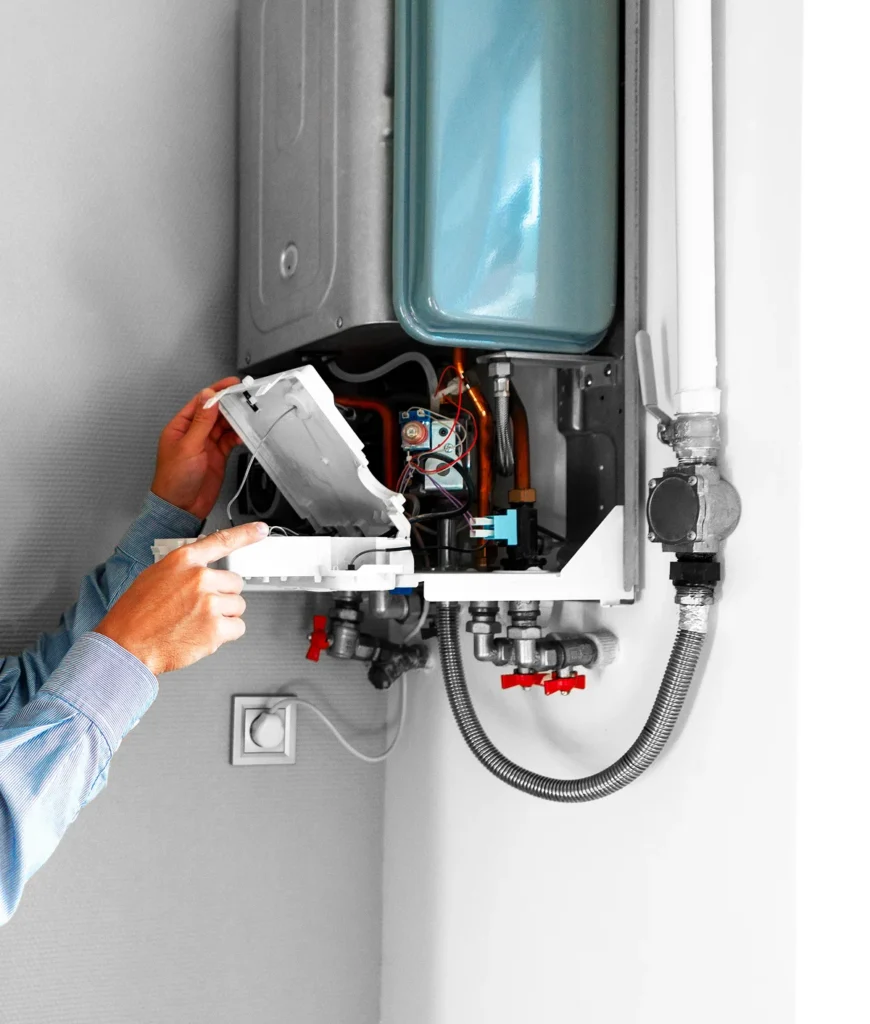
Understanding the process can make the decision feel less daunting. A standard replacement is typically straightforward, particularly if you are installing a similar type of boiler.
The process usually includes:
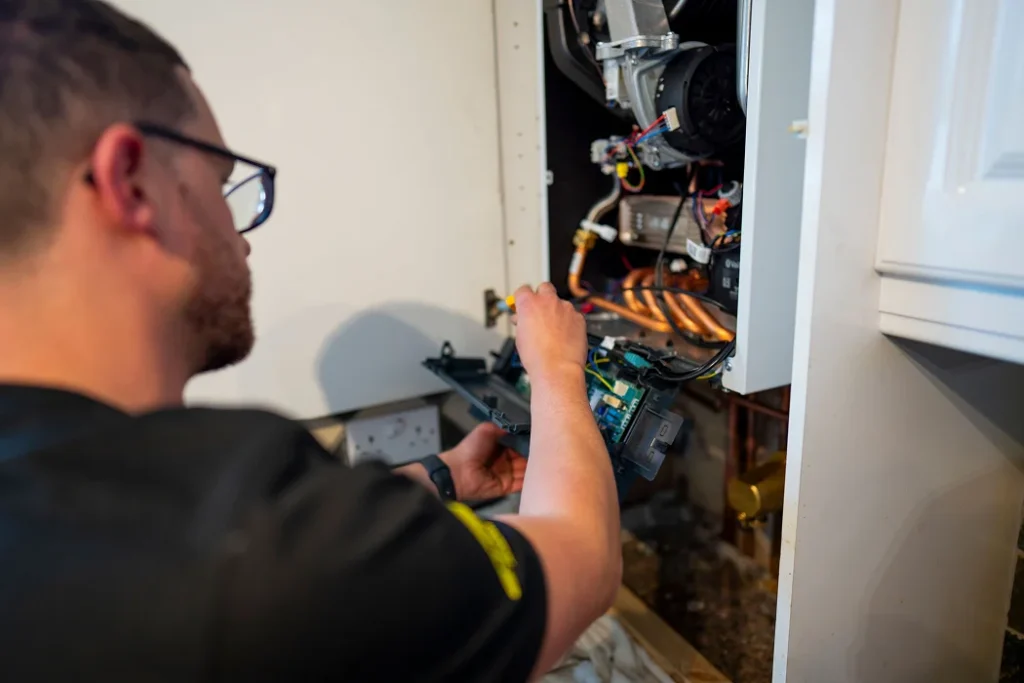
- Initial assessment of your current system
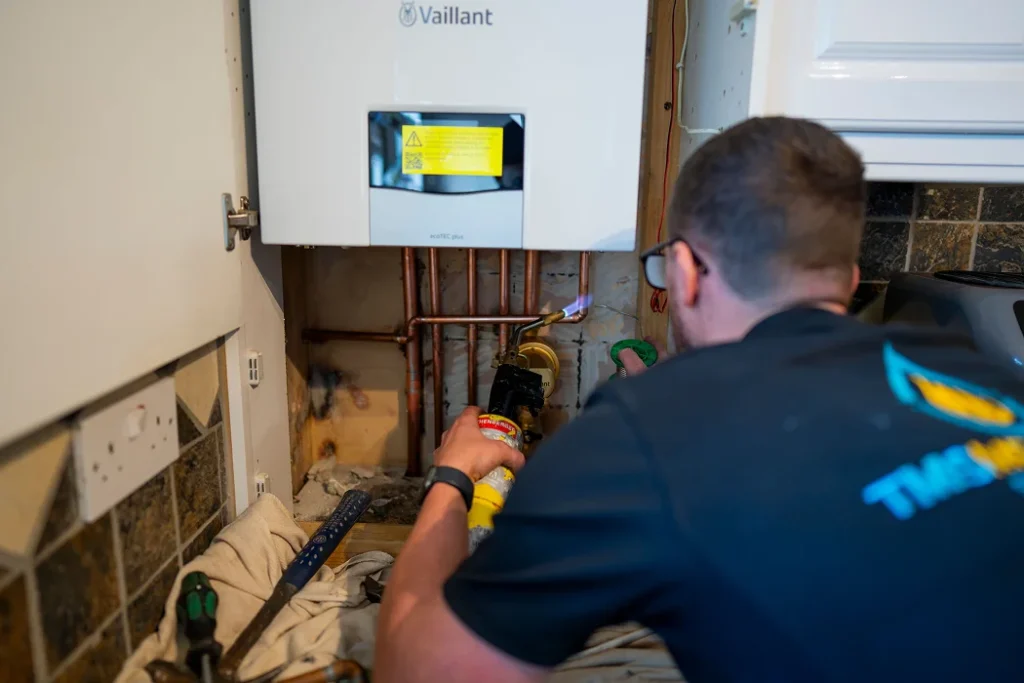
- Removal of the old boiler
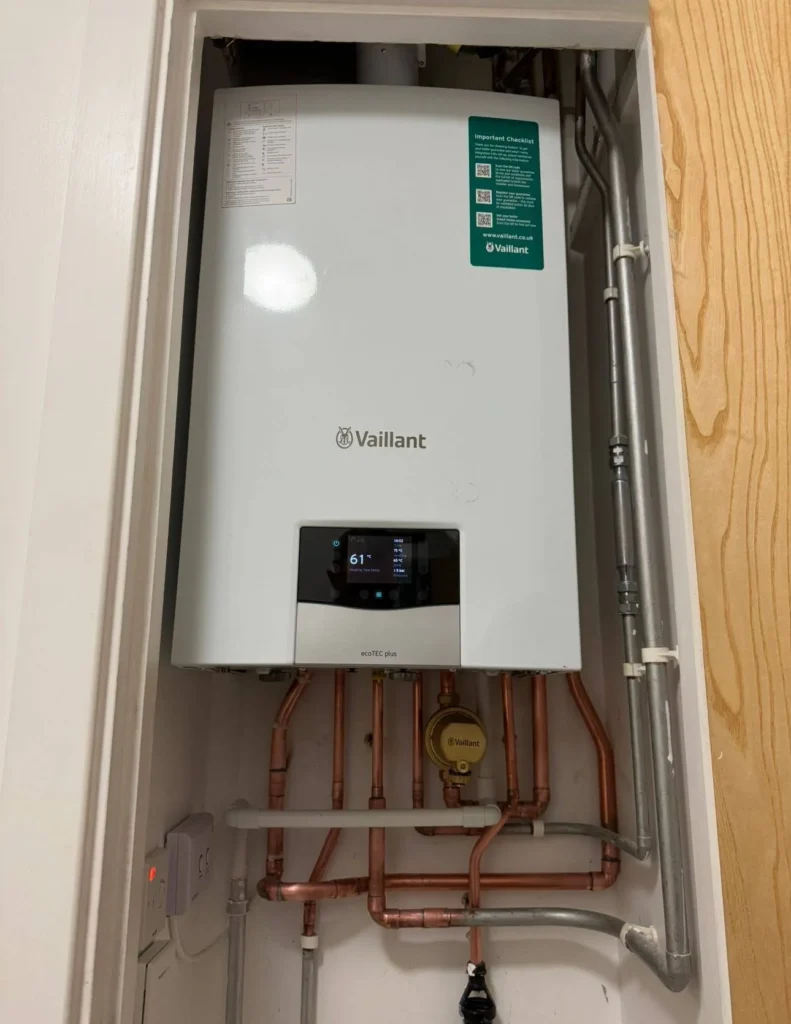
- Installation of the new unit
- System flushing and testing
- Final safety checks and certification
Most installations can be completed within one to two days, depending on the complexity of the system.
How Much Should You Expect to Pay?
Costs vary depending on the size of the property, the type of boiler selected, and the complexity of the installation.
Typical factors influencing price include:
- Boiler brand and model
- Installation labour
- Any required upgrades to pipework or controls
- System cleaning or flushing
While the exact boiler replacement cost will differ for each home, investing in a modern, energy-efficient system can lead to noticeable savings over time.
For a more detailed breakdown of pricing factors, you may find this helpful:
What type of boiler do you currently have?

Combi Boiler

Regular Boiler

System Boiler

Back Boiler
It just takes 60 seconds
And then you can book a free consultation
Can a New Combi Boiler Improve Energy Efficiency?
Yes, significantly. Modern boilers are designed to operate at much higher efficiency levels than older systems.
Benefits of upgrading include:
- Lower monthly energy bills
- Reduced carbon emissions
- More consistent heating performance
- Improved hot water reliability
Even a modest improvement in efficiency can have a noticeable impact on running costs, especially during colder months.
What Should You Consider Before Replacing Your Boiler?
Before committing to a new system, it is important to assess your household’s specific needs.
Key considerations include:
- Property size and number of bathrooms
- Current water pressure and demand
- Future plans such as extensions or renovations
- Budget and long-term cost savings
A professional assessment can help ensure the new boiler is correctly sized and suited to your home.
If you are weighing up your options, speak to us today for clear, practical advice on the best solution for your property.
A Typical Chelmsford Replacement Scenario
A common situation we see across Chelmsford involves older combi boilers in family homes that have been running for over a decade.
In one typical case, a homeowner experienced repeated pressure loss and inconsistent heating. After several repairs within a single winter, it became clear the system was no longer reliable.
By moving forward with a combi boiler replacement Chelmsford, they were able to:
- Eliminate ongoing repair costs
- Improve heating consistency throughout the home
- Reduce energy usage with a modern, efficient unit
This kind of scenario highlights how replacing a failing system can quickly restore comfort and reliability.
Final Thoughts
Deciding when to replace your boiler is rarely straightforward, but acting at the right time can save both money and disruption. By recognising the warning signs and understanding the long-term benefits, you can make a decision that supports your home’s comfort and efficiency.
A well-planned upgrade ensures reliable heating, improved performance, and fewer unexpected issues. If you are considering your next steps, expert guidance can make all the difference.
For trusted support and professional installation, you can book with TMS Mechanical Services and receive a tailored recommendation suited to your home.
Related articles



What type of boiler do you currently have?
Combi Boiler
Regular Boiler
System Boiler
Back Boiler
At a glance
Knowing when to act can help you avoid unexpected breakdowns, rising energy bills, and costly emergency repairs.
For homeowners considering a combi boiler replacement Chelmsford, the decision often comes down to balancing ongoing repair costs with long-term efficiency. This guide will walk you through the key indicators, costs, and practical considerations so you can make a confident, informed choice.
If you are unsure about your current boiler’s condition, you can contact our team at TMS Mechanical Services for a professional assessment and tailored advice.
What Are the Signs Your Combi Boiler Needs Replacing?
Recognising early warning signs can save both money and inconvenience. Boilers tend to decline gradually, and ignoring small issues can lead to more serious problems.
Common indicators include:
- Frequent breakdowns requiring repeated repairs
- Rising energy bills despite consistent usage
- Strange noises such as banging or whistling
- Inconsistent heating or hot water supply
- Parts becoming difficult or expensive to source
If you are experiencing more than one of these issues, it may be time to start planning a combi boiler replacement Chelmsford rather than continuing to invest in short-term fixes.
How Old Is Too Old for a Combi Boiler?
Most modern combi boilers are designed to last between 10 and 15 years. While some systems can continue beyond this, efficiency typically declines with age.
An older boiler often operates at a lower efficiency rating, meaning it uses more fuel to produce the same level of heat. Over time, this can significantly increase your household energy costs.
In practical terms:
| Boiler Age | Typical Condition | Recommended Action |
| 0–8 years | High efficiency | Maintain regularly |
| 8–12 years | Moderate wear | Monitor performance |
| 12–15+ years | Reduced efficiency, more faults | Consider replacement |
If your system falls into the final category, it is worth exploring your options before a full breakdown occurs.
Is It Cheaper to Repair or Replace?
This is one of the most common questions homeowners ask, and the answer depends on several factors.
As a general rule, if a repair costs more than 30–40% of a new system, replacement is usually the better investment. While the upfront boiler replacement cost may seem higher, it often leads to long-term savings through improved efficiency and fewer repair bills.
You should also consider:
- The frequency of repairs over the past 12 months
- Whether key components are obsolete
- The impact of inefficiency on your energy bills
If you are repeatedly calling out engineers, those costs can quickly add up. In many cases, replacing the boiler provides better value and peace of mind.
What Does a Combi Boiler Replacement Involve?
Understanding the process can make the decision feel less daunting. A standard replacement is typically straightforward, particularly if you are installing a similar type of boiler.
The process usually includes:
- Initial assessment of your current system
- Removal of the old boiler
- Installation of the new unit
- System flushing and testing
- Final safety checks and certification
Most installations can be completed within one to two days, depending on the complexity of the system.
How Much Should You Expect to Pay?
Costs vary depending on the size of the property, the type of boiler selected, and the complexity of the installation.
Typical factors influencing price include:
- Boiler brand and model
- Installation labour
- Any required upgrades to pipework or controls
- System cleaning or flushing
While the exact boiler replacement cost will differ for each home, investing in a modern, energy-efficient system can lead to noticeable savings over time.
For a more detailed breakdown of pricing factors, you may find this helpful:
What type of boiler do you currently have?
Combi Boiler
Regular Boiler
System Boiler
Back Boiler
It just takes 60 seconds
And then you can book a free consultation
Can a New Combi Boiler Improve Energy Efficiency?
Yes, significantly. Modern boilers are designed to operate at much higher efficiency levels than older systems.
Benefits of upgrading include:
- Lower monthly energy bills
- Reduced carbon emissions
- More consistent heating performance
- Improved hot water reliability
Even a modest improvement in efficiency can have a noticeable impact on running costs, especially during colder months.
What Should You Consider Before Replacing Your Boiler?
Before committing to a new system, it is important to assess your household’s specific needs.
Key considerations include:
- Property size and number of bathrooms
- Current water pressure and demand
- Future plans such as extensions or renovations
- Budget and long-term cost savings
A professional assessment can help ensure the new boiler is correctly sized and suited to your home.
If you are weighing up your options, speak to us today for clear, practical advice on the best solution for your property.
A Typical Chelmsford Replacement Scenario
A common situation we see across Chelmsford involves older combi boilers in family homes that have been running for over a decade.
In one typical case, a homeowner experienced repeated pressure loss and inconsistent heating. After several repairs within a single winter, it became clear the system was no longer reliable.
By moving forward with a combi boiler replacement Chelmsford, they were able to:
- Eliminate ongoing repair costs
- Improve heating consistency throughout the home
- Reduce energy usage with a modern, efficient unit
This kind of scenario highlights how replacing a failing system can quickly restore comfort and reliability.
Final Thoughts
Deciding when to replace your boiler is rarely straightforward, but acting at the right time can save both money and disruption. By recognising the warning signs and understanding the long-term benefits, you can make a decision that supports your home’s comfort and efficiency.
A well-planned upgrade ensures reliable heating, improved performance, and fewer unexpected issues. If you are considering your next steps, expert guidance can make all the difference.
For trusted support and professional installation, you can book with TMS Mechanical Services and receive a tailored recommendation suited to your home.
Related articles
What type of boiler do you currently have?
Combi Boiler
Regular Boiler
System Boiler
Back Boiler