
Boiler Repair Cost: Why Clear Symptoms Can Help Control Callout Costs
When a boiler stops working, one of the first questions many homeowners ask is how much the repair will cost. Unfortunately, there is rarely one fixed answer because the price depends on what has gone wrong, which components are involved and how much work is required to put the system back into safe working order….

Why you can trust our content
We understand that the boiler industry can be confusing, with plenty of outdated or misleading information. That’s why we rely only on trusted, proven sources to guide our advice and installations:
At a glance
When a boiler stops working, one of the first questions many homeowners ask is how much the repair will cost. Unfortunately, there is rarely one fixed answer because the price depends on what has gone wrong, which components are involved and how much work is required to put the system back into safe working order.
Providing an engineer with clear information about the problem cannot guarantee a lower bill, but it can make the diagnostic process more efficient. Details such as error codes, unusual noises, pressure changes and when the fault started can give the engineer a useful starting point.
Understanding what can influence repair charges can also help you ask better questions before approving work.
If your boiler is showing signs of a fault, contact TMS Mechanical with as much information as possible about the symptoms so the team can understand the problem before the visit.
What actually determines boiler repair cost?
The cost of repairing a boiler is influenced by several factors rather than simply the amount of time an engineer spends at the property.
Common factors include:
- The type and age of the boiler.
- The nature of the fault.
- Which component has failed.
- Whether replacement parts are required.
- How accessible the affected component is.
- The time needed for diagnosis and repair.
- Whether the issue affects the boiler or another part of the heating system.
- Whether the visit takes place during normal working hours or requires an urgent response.
A straightforward fault may require a relatively simple repair, while a more complicated problem could involve additional diagnostic work and replacement components.
This is why an engineer generally needs to assess the actual fault before giving a reliable repair price.
Can clear symptoms make a repair visit more efficient?
They can certainly help an engineer start with more useful information.
For example, saying “the boiler isn’t working” is quite broad. A more useful description might be:
“The boiler starts normally but switches off after a few minutes, and an error code appears on the display.”
You can also mention whether the problem affects heating, hot water or both.
Other useful observations include:
- When the fault first appeared.
- Whether it happens every time.
- Whether the boiler makes unusual noises.
- Whether the pressure has changed.
- Whether a reset temporarily restores operation.
- Whether the fault has happened previously.
- Whether another part of the heating system has recently been worked on.
These details do not identify the fault by themselves, but they can help an engineer understand the symptoms before carrying out diagnostic checks.
Why does diagnosis matter before agreeing to a repair?
A boiler can display similar symptoms for different underlying reasons.
For instance, a boiler that repeatedly shuts down could potentially have an issue involving a number of different components or system conditions. Replacing a part simply because it appears to match a symptom is not a substitute for proper diagnosis.
A sensible repair process generally involves:
- Establishing what the homeowner has observed.
- Checking the boiler and relevant system components.
- Identifying the likely cause.
- Determining what work is required.
- Explaining the repair before proceeding.
- Carrying out appropriate testing after the repair.
This approach helps separate the symptom from the underlying fault.
It can also make the quotation or repair explanation easier to understand.
What information should you provide before a repair appointment?
You do not need technical knowledge to provide useful information.
Before contacting an engineer, make a short note of:
| Detail | What to record |
| Boiler make | Manufacturer name |
| Model | Model shown on boiler or label |
| Approximate age | If known |
| Fault | What you have noticed |
| Error code | Exact code displayed |
| Heating | Working or not working |
| Hot water | Working or not working |
| Pressure | Current visible reading |
| Noise | Any unusual sounds |
| Timing | When the issue started |
| Pattern | Constant or intermittent |
If safe to do so, photographs of the display, pressure gauge and boiler identification label may also provide useful background information.
Does the age of a boiler affect repair decisions?
It can.
An older boiler may have components that are more difficult to source, or it may have experienced several faults over its lifetime. A newer boiler may have different parts and diagnostic systems.
Age alone does not determine whether a boiler should be repaired or replaced.
The condition of the appliance, nature of the fault, availability of parts, likely repair requirements and overall heating needs should all be considered.
If a repair is possible and appropriate, an engineer can explain the work required. If a replacement appears more practical, that should also be discussed rather than assuming every fault requires a new boiler.
When can a boiler fault become an urgent problem?
Some boiler problems should not simply be left until it is convenient to arrange a routine appointment.
The need for urgent attention depends on the circumstances. For example, signs of a gas-related safety issue, significant water leakage or another potentially dangerous condition require appropriate action rather than continued use of the appliance.
If you smell gas, follow the relevant gas emergency procedure rather than treating the situation as an ordinary repair call.
For less serious faults, such as a boiler that has stopped providing heating but is not showing signs of an immediate safety issue, a normal repair appointment may be appropriate.
If you are unsure whether a problem is urgent, explain the symptoms when contacting an appropriately qualified professional.
How is emergency boiler repair cost different?
When homeowners search for emergency boiler repair cost, it is important to remember that urgent attendance can involve different pricing arrangements from a standard appointment.
Depending on the service provider and circumstances, an emergency callout may involve factors such as:
- Out-of-hours attendance.
- Weekends or bank holidays.
- Travel or callout charges.
- Additional diagnostic time.
- Replacement parts.
- The complexity of the repair.
There is no universal emergency repair price because businesses structure their charges differently.
Before approving non-essential work, ask what the callout or diagnostic charge covers and whether repair labour and parts are charged separately.
For a genuine safety emergency, however, cost should not be the only consideration. The priority should be following the appropriate safety procedure.
Can a simple fault still involve a callout charge?
Yes.
An engineer may need to travel to the property, inspect the system and carry out diagnostic checks before establishing what is wrong.
Even if the eventual repair is relatively straightforward, the visit itself may have associated costs.
This is why asking about the service structure when booking can help avoid misunderstandings.
Useful questions include:
- Is there a callout charge?
- Is diagnostic time included?
- Is labour charged separately?
- Are parts extra?
- Will I be told the repair price before work begins?
- Is there a different charge for out-of-hours visits?
The answers will vary between businesses, so it is worth checking before arranging the appointment.
TMS Mechanical can assess the reported symptoms and explain the required repair work, helping you understand what is involved before proceeding.
What if the repair needs a replacement part?
Replacement parts can form part of the final repair charge.
The cost depends on the component required, its availability and the specific boiler model.
It is useful to provide the boiler make and model when booking because this can help establish which parts may be relevant. However, an engineer may still need to inspect the appliance before confirming exactly what is required.
If a part needs to be ordered, ask about the expected timescale and whether the boiler can safely remain out of service while you wait.
Do not attempt to source and fit internal boiler components yourself.
Can repeated boiler resets increase the problem?
Repeatedly resetting a boiler does not fix the underlying cause of a recurring fault.
A reset may occasionally restore operation temporarily, depending on the problem and manufacturer’s instructions. But if the same fault returns, it is better to record what happened and arrange appropriate professional diagnosis.
Tell the engineer:
- How many times you reset the boiler.
- Whether the reset restored heating or hot water.
- How long it worked afterwards.
- Whether the same error returned.
This information can help explain the pattern.
If the appliance repeatedly locks out, do not keep resetting it indefinitely in an attempt to avoid a repair visit.
How can you avoid unnecessary repair costs?
There is no way to guarantee a particular repair price, but good preparation can reduce confusion around the appointment.
1. Give accurate information
Describe what you can actually observe rather than guessing which component has failed.
2. Have the boiler details ready
Make, model and approximate age can help provide useful context.
3. Record intermittent faults
A short log can be particularly helpful when the boiler works normally between failures.
4. Ask about charges
Understand whether callout, diagnosis, labour and parts are charged separately.
5. Ask for an explanation
Before approving significant work, ask what has been identified and what repair is being recommended.
6. Keep previous records
If the boiler has been repaired previously, old invoices or service records may provide useful background.
What if you are worried about emergency repair charges?
If the boiler has stopped working unexpectedly, it is understandable to be concerned about emergency boiler repair cost.
Start by establishing whether the situation actually requires emergency attendance.
If there is a potential gas safety issue, follow the appropriate emergency procedure. If the boiler has simply stopped working without an immediate safety concern, you may have more flexibility over when an engineer attends.
When contacting a repair service, explain the exact symptoms and ask about the applicable callout arrangements before confirming the appointment.
If the problem is intermittent, explain that too. An engineer may need to approach the diagnosis differently when the fault is not continuously present.
When might replacement be discussed instead of repair?
Repair is not always the most practical long-term option, particularly where an appliance is older or requires increasingly frequent repairs.
However, a single fault does not automatically mean replacement is necessary.
A useful discussion should consider:
- The age and condition of the boiler.
- The nature and severity of the fault.
- Availability of replacement components.
- The likely cost of the repair.
- Previous repair history.
- The homeowner’s heating requirements.
- Whether the existing system remains suitable.
If replacement is recommended, ask for a clear explanation of why and request an installation quotation separately from the repair assessment.
What should you ask before approving a repair?
Before work begins, make sure you understand the proposed repair.
You could ask:
- What has caused the fault?
- Which component needs attention?
- Is a replacement part required?
- What will the repair involve?
- What is included in the quoted price?
- Are there any additional charges?
- Is the repair expected to resolve the current problem?
- Is there anything else that should be monitored afterwards?
You do not need to understand every technical detail. The purpose is to make sure you know what work is being recommended and what you are agreeing to.
If your boiler has developed a fault in Chelmsford, contact TMS Mechanical with the boiler details and symptoms available. A clear description can help the team understand the issue before the appointment.
Related articles
What type of boiler do you currently have?

Combi Boiler
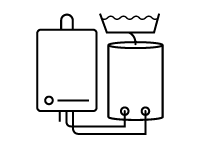
Regular Boiler
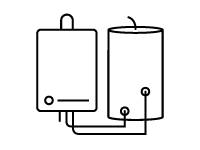
System Boiler
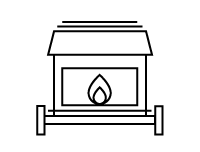
Back Boiler
At a glance
When a boiler stops working, one of the first questions many homeowners ask is how much the repair will cost. Unfortunately, there is rarely one fixed answer because the price depends on what has gone wrong, which components are involved and how much work is required to put the system back into safe working order.
Providing an engineer with clear information about the problem cannot guarantee a lower bill, but it can make the diagnostic process more efficient. Details such as error codes, unusual noises, pressure changes and when the fault started can give the engineer a useful starting point.
Understanding what can influence repair charges can also help you ask better questions before approving work.
If your boiler is showing signs of a fault, contact TMS Mechanical with as much information as possible about the symptoms so the team can understand the problem before the visit.
What actually determines boiler repair cost?
The cost of repairing a boiler is influenced by several factors rather than simply the amount of time an engineer spends at the property.
Common factors include:
- The type and age of the boiler.
- The nature of the fault.
- Which component has failed.
- Whether replacement parts are required.
- How accessible the affected component is.
- The time needed for diagnosis and repair.
- Whether the issue affects the boiler or another part of the heating system.
- Whether the visit takes place during normal working hours or requires an urgent response.
A straightforward fault may require a relatively simple repair, while a more complicated problem could involve additional diagnostic work and replacement components.
This is why an engineer generally needs to assess the actual fault before giving a reliable repair price.
Can clear symptoms make a repair visit more efficient?
They can certainly help an engineer start with more useful information.
For example, saying “the boiler isn’t working” is quite broad. A more useful description might be:
“The boiler starts normally but switches off after a few minutes, and an error code appears on the display.”
You can also mention whether the problem affects heating, hot water or both.
Other useful observations include:
- When the fault first appeared.
- Whether it happens every time.
- Whether the boiler makes unusual noises.
- Whether the pressure has changed.
- Whether a reset temporarily restores operation.
- Whether the fault has happened previously.
- Whether another part of the heating system has recently been worked on.
These details do not identify the fault by themselves, but they can help an engineer understand the symptoms before carrying out diagnostic checks.
Why does diagnosis matter before agreeing to a repair?
A boiler can display similar symptoms for different underlying reasons.
For instance, a boiler that repeatedly shuts down could potentially have an issue involving a number of different components or system conditions. Replacing a part simply because it appears to match a symptom is not a substitute for proper diagnosis.
A sensible repair process generally involves:
- Establishing what the homeowner has observed.
- Checking the boiler and relevant system components.
- Identifying the likely cause.
- Determining what work is required.
- Explaining the repair before proceeding.
- Carrying out appropriate testing after the repair.
This approach helps separate the symptom from the underlying fault.
It can also make the quotation or repair explanation easier to understand.
What information should you provide before a repair appointment?
You do not need technical knowledge to provide useful information.
Before contacting an engineer, make a short note of:
| Detail | What to record |
| Boiler make | Manufacturer name |
| Model | Model shown on boiler or label |
| Approximate age | If known |
| Fault | What you have noticed |
| Error code | Exact code displayed |
| Heating | Working or not working |
| Hot water | Working or not working |
| Pressure | Current visible reading |
| Noise | Any unusual sounds |
| Timing | When the issue started |
| Pattern | Constant or intermittent |
If safe to do so, photographs of the display, pressure gauge and boiler identification label may also provide useful background information.
Does the age of a boiler affect repair decisions?
It can.
An older boiler may have components that are more difficult to source, or it may have experienced several faults over its lifetime. A newer boiler may have different parts and diagnostic systems.
Age alone does not determine whether a boiler should be repaired or replaced.
The condition of the appliance, nature of the fault, availability of parts, likely repair requirements and overall heating needs should all be considered.
If a repair is possible and appropriate, an engineer can explain the work required. If a replacement appears more practical, that should also be discussed rather than assuming every fault requires a new boiler.
When can a boiler fault become an urgent problem?
Some boiler problems should not simply be left until it is convenient to arrange a routine appointment.
The need for urgent attention depends on the circumstances. For example, signs of a gas-related safety issue, significant water leakage or another potentially dangerous condition require appropriate action rather than continued use of the appliance.
If you smell gas, follow the relevant gas emergency procedure rather than treating the situation as an ordinary repair call.
For less serious faults, such as a boiler that has stopped providing heating but is not showing signs of an immediate safety issue, a normal repair appointment may be appropriate.
If you are unsure whether a problem is urgent, explain the symptoms when contacting an appropriately qualified professional.
How is emergency boiler repair cost different?
When homeowners search for emergency boiler repair cost, it is important to remember that urgent attendance can involve different pricing arrangements from a standard appointment.
Depending on the service provider and circumstances, an emergency callout may involve factors such as:
- Out-of-hours attendance.
- Weekends or bank holidays.
- Travel or callout charges.
- Additional diagnostic time.
- Replacement parts.
- The complexity of the repair.
There is no universal emergency repair price because businesses structure their charges differently.
Before approving non-essential work, ask what the callout or diagnostic charge covers and whether repair labour and parts are charged separately.
For a genuine safety emergency, however, cost should not be the only consideration. The priority should be following the appropriate safety procedure.
Can a simple fault still involve a callout charge?
Yes.
An engineer may need to travel to the property, inspect the system and carry out diagnostic checks before establishing what is wrong.
Even if the eventual repair is relatively straightforward, the visit itself may have associated costs.
This is why asking about the service structure when booking can help avoid misunderstandings.
Useful questions include:
- Is there a callout charge?
- Is diagnostic time included?
- Is labour charged separately?
- Are parts extra?
- Will I be told the repair price before work begins?
- Is there a different charge for out-of-hours visits?
The answers will vary between businesses, so it is worth checking before arranging the appointment.
TMS Mechanical can assess the reported symptoms and explain the required repair work, helping you understand what is involved before proceeding.
What if the repair needs a replacement part?
Replacement parts can form part of the final repair charge.
The cost depends on the component required, its availability and the specific boiler model.
It is useful to provide the boiler make and model when booking because this can help establish which parts may be relevant. However, an engineer may still need to inspect the appliance before confirming exactly what is required.
If a part needs to be ordered, ask about the expected timescale and whether the boiler can safely remain out of service while you wait.
Do not attempt to source and fit internal boiler components yourself.
Can repeated boiler resets increase the problem?
Repeatedly resetting a boiler does not fix the underlying cause of a recurring fault.
A reset may occasionally restore operation temporarily, depending on the problem and manufacturer’s instructions. But if the same fault returns, it is better to record what happened and arrange appropriate professional diagnosis.
Tell the engineer:
- How many times you reset the boiler.
- Whether the reset restored heating or hot water.
- How long it worked afterwards.
- Whether the same error returned.
This information can help explain the pattern.
If the appliance repeatedly locks out, do not keep resetting it indefinitely in an attempt to avoid a repair visit.
How can you avoid unnecessary repair costs?
There is no way to guarantee a particular repair price, but good preparation can reduce confusion around the appointment.
1. Give accurate information
Describe what you can actually observe rather than guessing which component has failed.
2. Have the boiler details ready
Make, model and approximate age can help provide useful context.
3. Record intermittent faults
A short log can be particularly helpful when the boiler works normally between failures.
4. Ask about charges
Understand whether callout, diagnosis, labour and parts are charged separately.
5. Ask for an explanation
Before approving significant work, ask what has been identified and what repair is being recommended.
6. Keep previous records
If the boiler has been repaired previously, old invoices or service records may provide useful background.
What if you are worried about emergency repair charges?
If the boiler has stopped working unexpectedly, it is understandable to be concerned about emergency boiler repair cost.
Start by establishing whether the situation actually requires emergency attendance.
If there is a potential gas safety issue, follow the appropriate emergency procedure. If the boiler has simply stopped working without an immediate safety concern, you may have more flexibility over when an engineer attends.
When contacting a repair service, explain the exact symptoms and ask about the applicable callout arrangements before confirming the appointment.
If the problem is intermittent, explain that too. An engineer may need to approach the diagnosis differently when the fault is not continuously present.
When might replacement be discussed instead of repair?
Repair is not always the most practical long-term option, particularly where an appliance is older or requires increasingly frequent repairs.
However, a single fault does not automatically mean replacement is necessary.
A useful discussion should consider:
- The age and condition of the boiler.
- The nature and severity of the fault.
- Availability of replacement components.
- The likely cost of the repair.
- Previous repair history.
- The homeowner’s heating requirements.
- Whether the existing system remains suitable.
If replacement is recommended, ask for a clear explanation of why and request an installation quotation separately from the repair assessment.
What should you ask before approving a repair?
Before work begins, make sure you understand the proposed repair.
You could ask:
- What has caused the fault?
- Which component needs attention?
- Is a replacement part required?
- What will the repair involve?
- What is included in the quoted price?
- Are there any additional charges?
- Is the repair expected to resolve the current problem?
- Is there anything else that should be monitored afterwards?
You do not need to understand every technical detail. The purpose is to make sure you know what work is being recommended and what you are agreeing to.
If your boiler has developed a fault in Chelmsford, contact TMS Mechanical with the boiler details and symptoms available. A clear description can help the team understand the issue before the appointment.
Related articles
What type of boiler do you currently have?
Combi Boiler
Regular Boiler
System Boiler
Back Boiler